Skip to content
Chux Electrical Services

Home battery installation in Geelong

Tesla Powerwall and Sigenergy batteries, fitted with new solar or added to the solar you already have. We tell you straight whether a battery suits your home, then quote and install it ourselves.

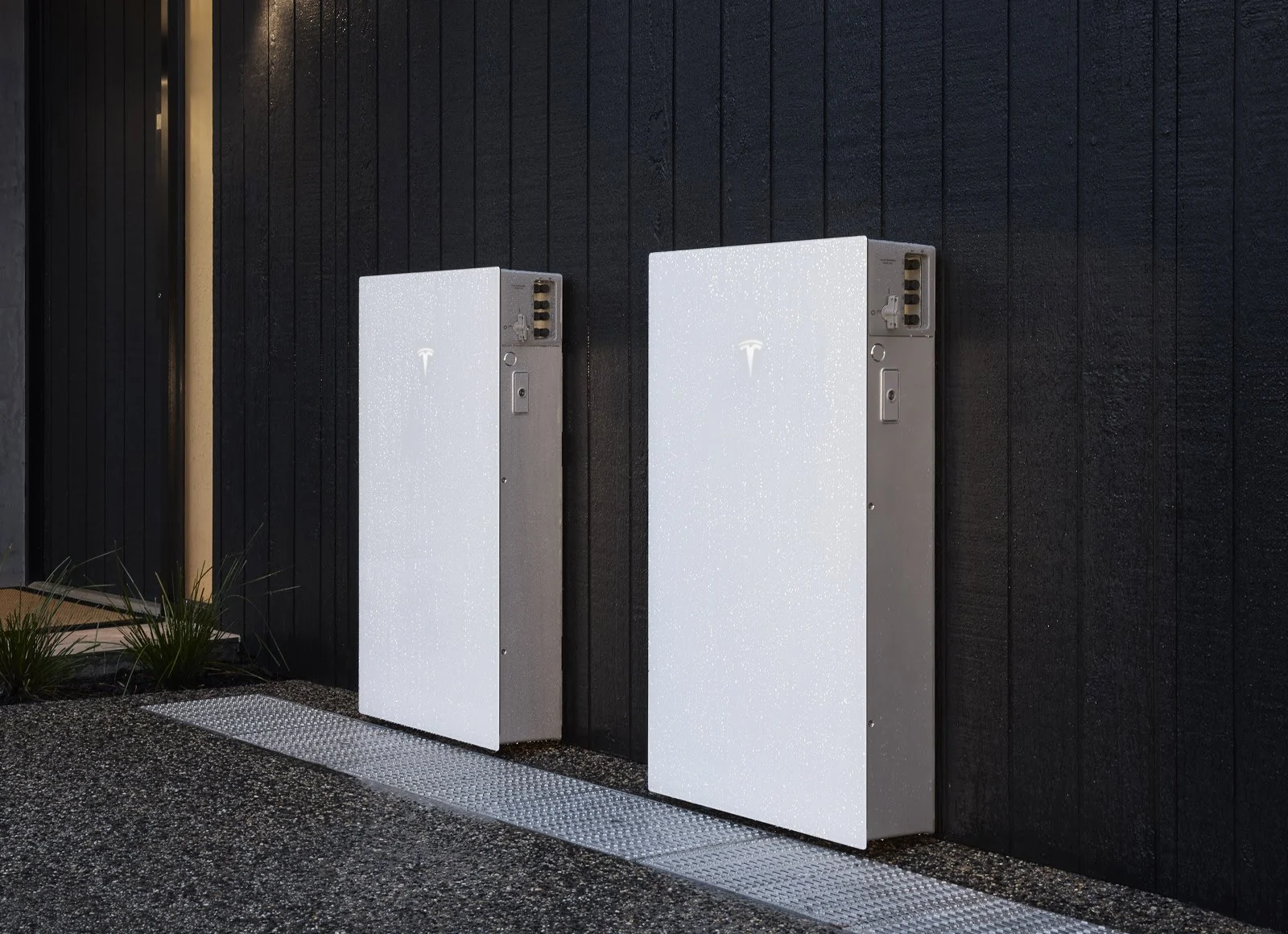
Two Tesla Powerwall 3 batteries side by side on a timber-clad wall

Product image: Tesla

Chux Electrical installs home batteries, with new solar or added to an existing system, across Geelong, the Surf Coast and the Bellarine. We are a local team based in Breakwater, owned by Colin Norris and licensed under REC 24227. The person who quotes your job does the work, with no subcontractors, and every quote is free, on site and a fixed price in writing.

01

What a home battery actually does

Solar panels make power when the sun is out. Most households use more power in the evening. A battery stores the surplus from the middle of the day and lets you use it after dark, instead of exporting it for a low feed-in rate and then buying it back at a higher price.

That is the whole idea. A battery does not make power. It moves your solar power from midday to the evening, and it can give you backup when the grid fails.

We quote every battery job ourselves and do the install with our own team, with no subcontractors. We explain the options in plain terms and will not sell you a bigger battery than you need.
02

When a battery pays off, and when it does not

A battery tends to make sense when you have solar, use a good amount of power in the evening and overnight, and export a lot of unused power in the day. It also makes sense if you want blackout protection, or you plan to add an EV charger or electrify the home.

It is harder to justify if you are home during the day and use most of your solar directly, if your evening use is small, or if you have a small solar system that does not produce much surplus. In those cases more panels or a smaller battery may serve you better.

We work this out from your bills and usage, not from a standard sales pitch. If a battery is not worth it for you yet, we will say so, and we are happy to be asked again when your situation changes.

03

Sizing a battery to your evening use

Batteries are measured in kilowatt hours (kWh). The right size depends on how much power you use from late afternoon until the next morning, and how much surplus your solar produces to fill it.

A battery that is too large will rarely fill, so you pay for capacity you never use. One that is too small runs out early in the evening. We look at your actual usage pattern, plan for what you may add later, and choose a size that fits. Some systems are modular, so you can add capacity if your needs grow.

04

Backup power or no backup

Many batteries can run part of your home during a blackout. Others only shift power and shut down when the grid does. Backup adds equipment and wiring, and the right design depends on what you want to keep running.

We ask what matters to you: the fridge, lights, internet, a few powerpoints, or whole-home power. Large loads such as ducted air conditioning, ovens and electric hot water can drain a battery quickly, so we explain what is realistic and design backup circuits to suit. If you do not need backup, a simpler system can be a cheaper option.

05

Retrofitting a battery to existing solar

If you already have solar, you can usually add a battery. The question is how.

  • AC-coupled: the battery has its own inverter and connects on the AC side of your home. It works with most existing solar systems and is often the simplest retrofit.
  • DC-coupled or hybrid: the battery connects through a hybrid inverter that also handles your panels. It can be efficient, but it often means replacing your current inverter.
  • Check your inverter: age, brand and capacity all affect the best option. We inspect it on site before recommending anything.

06

Why the battery must be VPP-capable for the rebate

A virtual power plant (VPP) links home batteries so they can be operated together to support the grid, usually through an energy retailer. Under the federal Cheaper Home Batteries Program, eligible batteries must be VPP-capable. That does not force you to join a VPP. It means the battery must be able to.

We choose products that meet the rules and install them to the program rules, so you can claim the discount. We handle the paperwork. The discount steps down on 1 January 2027, so timing matters. See our rebates page for details.

07

What affects the price of a battery

Price depends on battery size, brand, whether it is a new solar and battery system or a retrofit, whether you want backup, and the state of your switchboard and wiring. Installation conditions matter too, such as the distance from the switchboard and where the battery will sit.

The federal discount is applied upfront and reduces what you pay. Amounts and rules change, so we confirm them on your quote. After a free on-site visit, you receive a fixed written quote. If your switchboard needs an upgrade, that is quoted separately, so you can see it on its own.

On the job

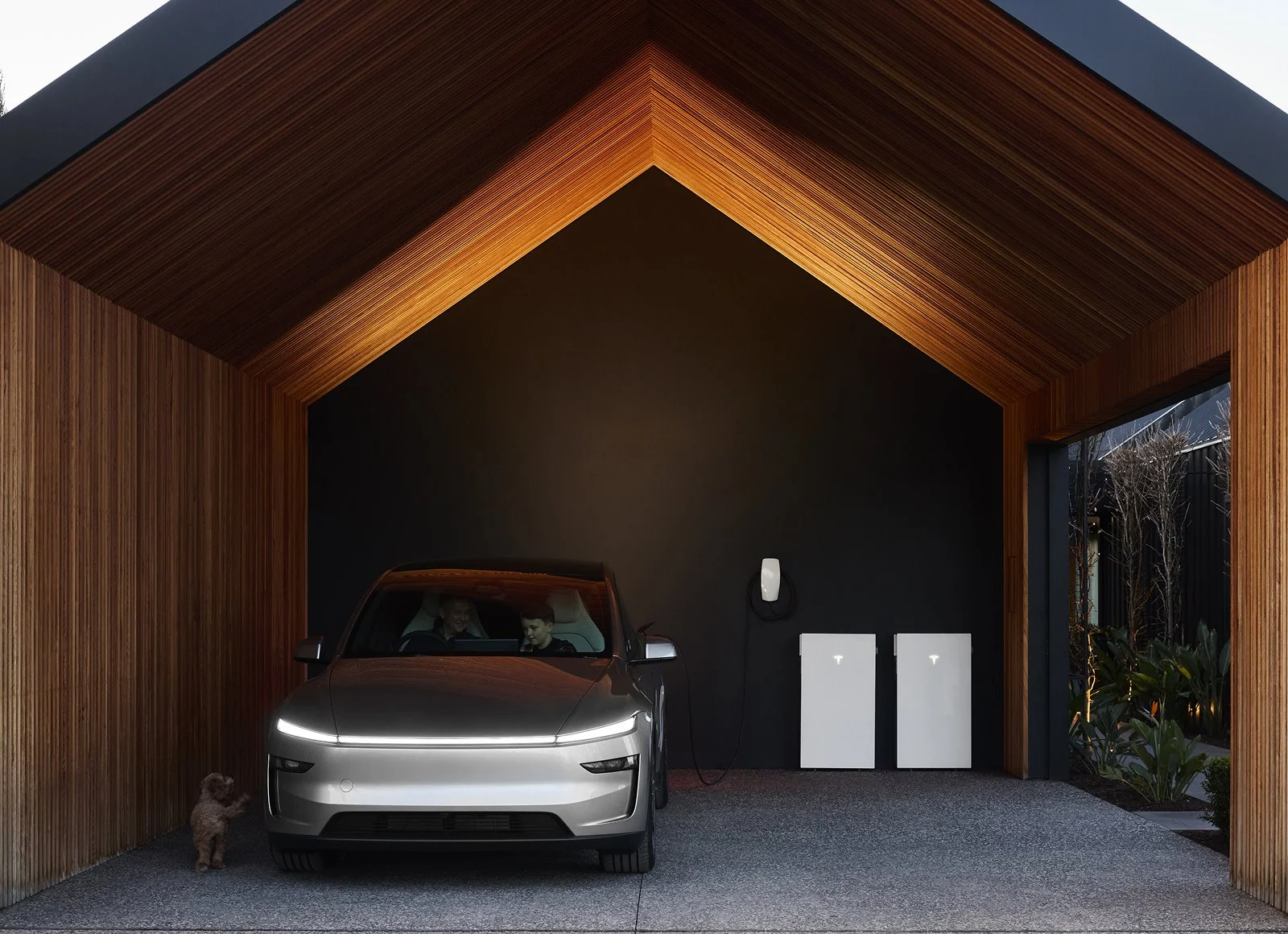
  • Tesla Powerwall 3 batteries in an open garage beside an electric carProduct image: Tesla
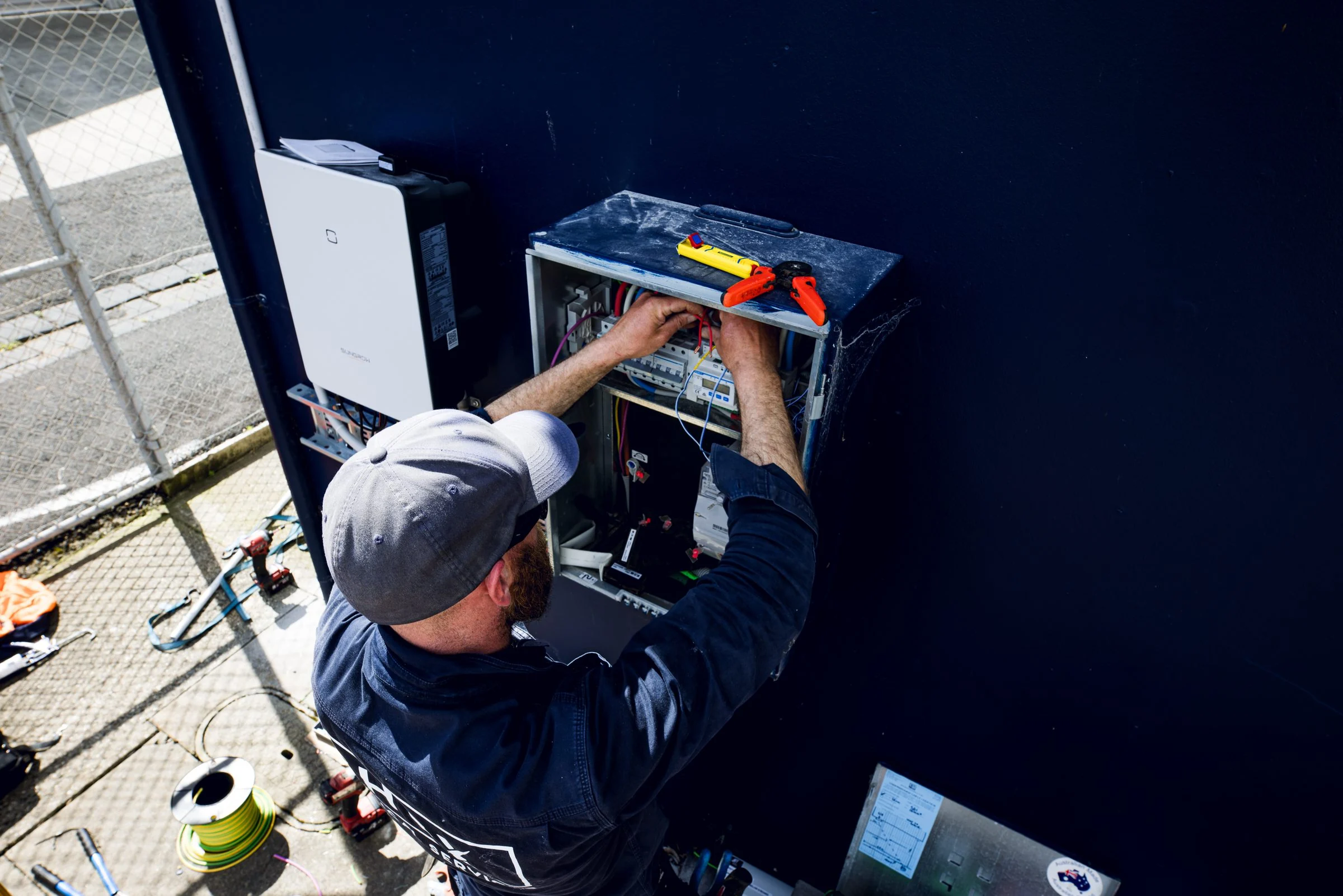
  • A Chux electrician wiring an enclosure on an outside wall
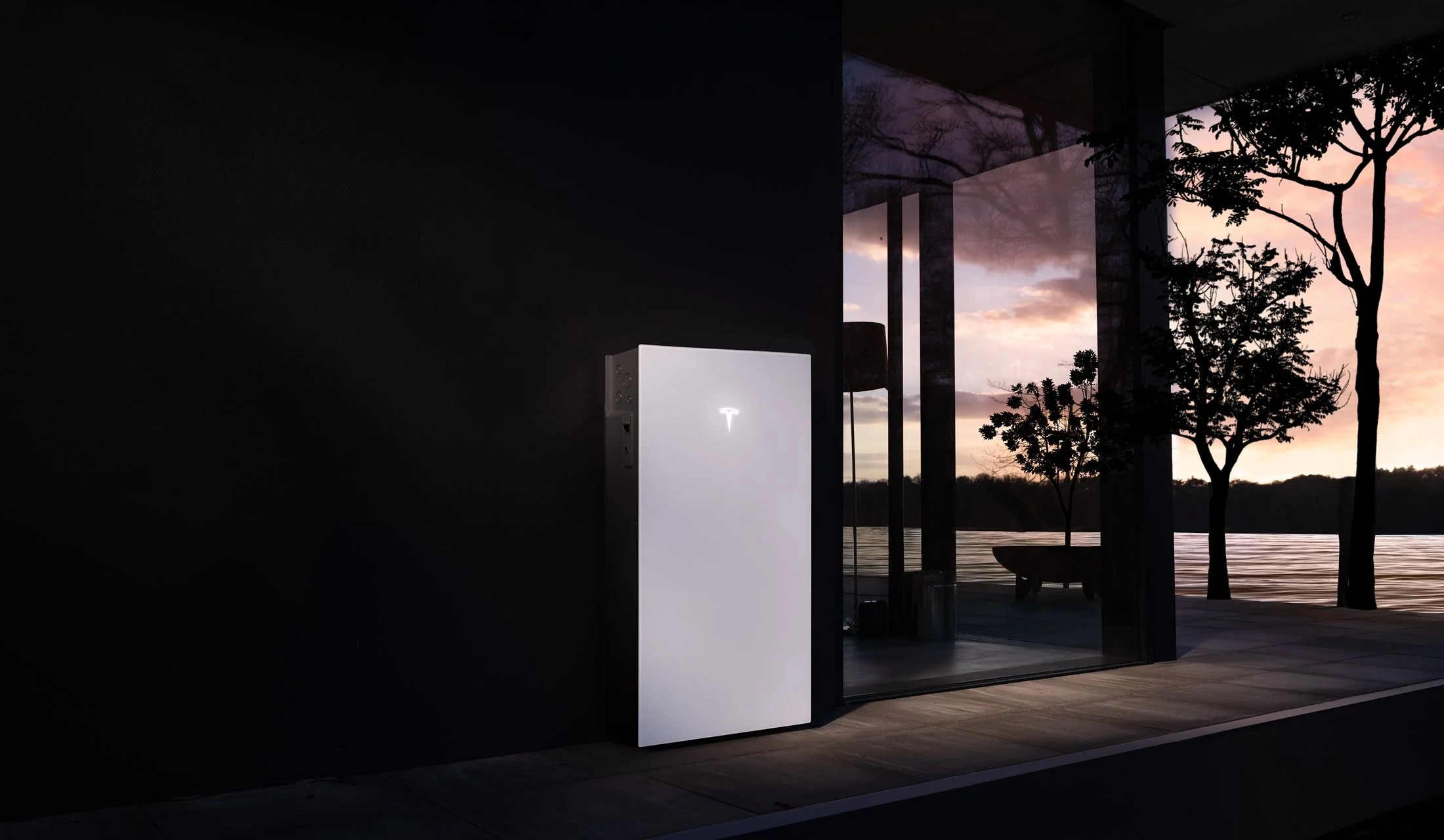
  • A Tesla Powerwall 3 on an outside wall at duskProduct image: Tesla

What you get.

  1. 01

    Is a battery worth it for you?

    We look at your evening usage, your solar and your bills, and tell you whether a battery makes sense now, later or not at all.

  2. 02

    New solar plus battery

    A combined system designed together, often with a hybrid inverter, so the panels and battery work as one.

  3. 03

    Retrofit to existing solar

    We check your current inverter and panels and recommend an AC-coupled or hybrid approach that suits what you already own.

  4. 04

    Blackout backup

    If you want power during an outage, we design the backup circuits with you and explain what will and will not run.

  5. 05

    Tesla Powerwall and Sigenergy

    We are a registered installer with Tesla and Sigenergy.

  6. 06

    Rebate-eligible batteries

    We supply batteries that meet the federal rebate rules and take the discount off your quote.

  7. 07

    Setup and handover

    We set up the app and explain how the battery behaves. Ring us if you have questions afterwards.

Rebates in 2026.

01 / 03

~30%

Cheaper Home Batteries

Federal discount on eligible batteries, designed to average about 30% and lower for larger batteries, taken off your quote upfront. About $271 per kWh up to 14 kWh for 2026 installs, at a $39.85 STC price. Steps down on 1 January 2027.

Official rules
02 / 03

$1,400

Solar Homes panel rebate

Solar Victoria. Income-tested, with an optional interest-free loan of up to $1,400.

Official rules
03 / 03

STCs

Federal solar discount

Small-scale Technology Certificates, applied by us as an upfront discount. About $1,550 on a 6.6 kW system installed in 2026, at a $39.85 STC price.

Official rules

Figures as of November 2026. Programs change, so your quote shows exactly what you qualify for. How rebates work

Common questions

Is a home battery worth it in Victoria in 2026?

It can be, if you use a lot of power in the evening and export a lot of surplus. The federal discount on eligible batteries improves the numbers, but it steps down on 1 January 2027. We work it out from your bills and tell you honestly whether it suits your home.

How much does a home battery cost in Geelong?

It depends on battery size, brand, whether you want backup and whether you need new solar or a retrofit. The federal discount reduces the cost upfront. We confirm everything on a free on-site quote, and the price is fixed after the visit.

Can you install a Tesla Powerwall in Geelong?

Yes. We are a registered installer with Tesla and Sigenergy, and we install Powerwall for new solar systems and as a retrofit where compatible. We explain the differences plainly and recommend the one that suits your home and budget.

Can I add a battery to my existing solar system?

In most cases, yes. An AC-coupled battery works with most existing systems. A hybrid setup may mean changing your inverter. We check your current equipment on site and explain the options before you commit to anything. Age and brand of your inverter matter.

Will a battery keep my power on in a blackout?

Only if it is installed with backup, and not every battery or install includes it. We design backup circuits with you, such as the fridge, lights and internet, and explain what will and will not run. Heavy loads like ovens or ducted heating can drain a battery fast. Tell us at quote time if you want backup.

What size battery do I need?

Size it to your evening and overnight use and the surplus your solar produces. Too big and it rarely fills. Too small and it runs flat early. We look at your usage and any plans for an EV or electrifying the house, then recommend a kWh size that fits.

What is a VPP-capable battery and do I have to join one?

VPP-capable means the battery can be controlled remotely to support the grid through a participating retailer. Eligible batteries under the federal program must have this ability. You are not forced to join a VPP. The details depend on your retailer.

Does the battery rebate end soon?

The federal Cheaper Home Batteries discount steps down on 1 January 2027. If a battery suits you, get a quote before then. Details change, so we confirm current amounts and eligibility on your quote.

Get a free on-site quote.

Tell us what you need. We reply within 24 hours. Solar, batteries, EV chargers and other installs get a free on-site quote with a fixed price in writing; repairs and fault-finding are charged by the hour.

Or call us

0490 503 073

Step 1 of 3: The job

What do you need?
Where is the job?
How do we reach you?

Install quotes are free, on site, no obligation. Repairs are charged hourly. We reply within 24 hours.