01
What it is
The Cheaper Home Batteries Program is a federal government discount on eligible home batteries. Your installer applies it as a reduction on your invoice, so the discount is already taken off when you pay.

The Cheaper Home Batteries Program is a federal discount on eligible home batteries, taken off the price upfront by your installer. There is no means test. Since 1 May 2026 it is tiered by battery size, with the full rate up to 14 kWh and less above that, and it steps down on 1 January 2027.
By the Chux Electrical team. Updated 11 November 2026. 4 min read.
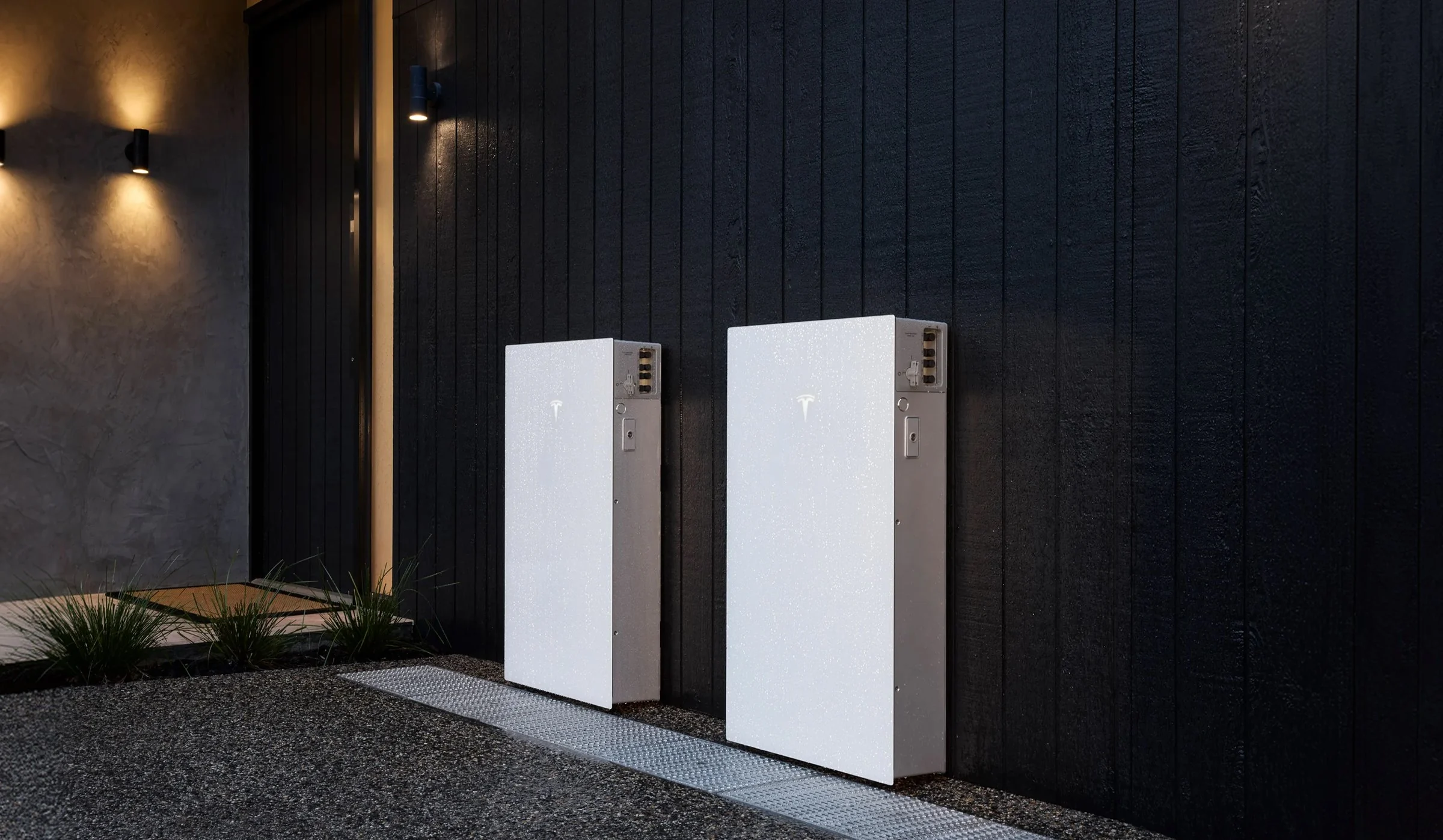
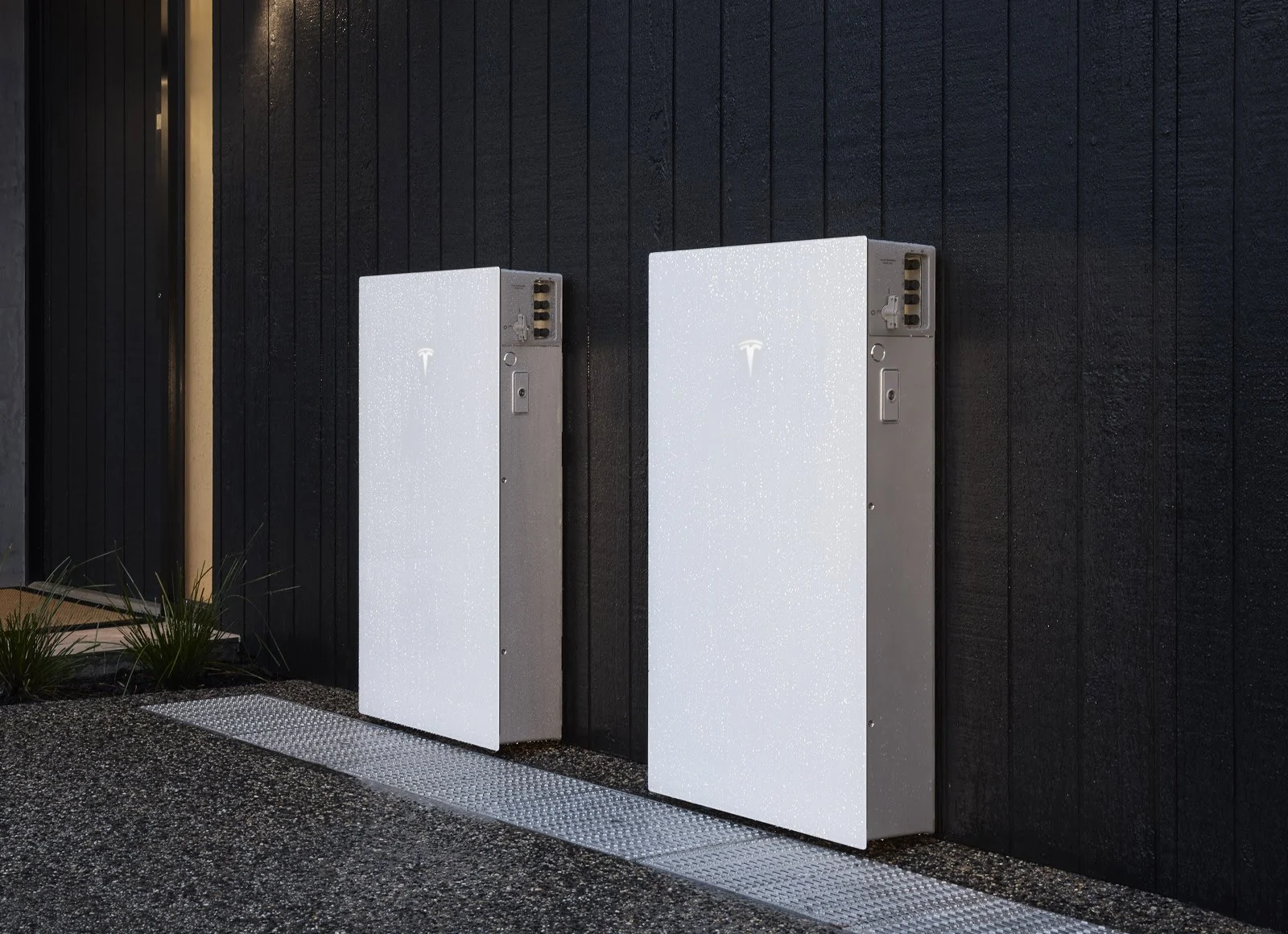
Product image: Tesla
01
The Cheaper Home Batteries Program is a federal government discount on eligible home batteries. Your installer applies it as a reduction on your invoice, so the discount is already taken off when you pay.
02
It is not income-tested, which makes it different from the Solar Victoria panel rebate.
03
The discount is based on a number the government publishes, called the STC factor, applied to the size of the battery. Since 1 May 2026 it is tiered by size: batteries up to 14 kWh get 100% of the factor, the band from 14 to 28 kWh gets 60%, and the band from 28 to 50 kWh gets 15%. The aim is to keep the average discount around 30% across battery sizes, which is why larger batteries get less per kWh. Check the official page for exactly how a larger battery is calculated.
The factor itself falls over time. For batteries installed from 1 May to 31 December 2026 it is 6.8 STCs per usable kWh, and it steps down every six months, to 5.7 from 1 January 2027 and on until the scheme ends in 2030 (Renewable Energy (Electricity) Amendment Regulations, F2026L00093).
Worked example: at the Clean Energy Regulator's reported STC spot price of $39.85 (30 September 2026), 6.8 STCs is about $271 per kWh for the first 14 kWh. A 13.5 kWh battery installed in 2026 creates 91 STCs (13.5 times 6.8, rounded down), about $3,600 off the price before any trading costs. The same battery installed in January 2027 creates 76 STCs, about $3,030.
04
The amount is set by the date your battery is installed. That is why we confirm the current figure on your written quote instead of quoting a number in advance. If a battery is on your list, it is worth deciding before the 1 January 2027 step-down. Our battery guide covers how to decide whether one suits you.
05
It is separate from the Solar Victoria panel rebate, which is income-tested and has its own rules. Both are covered on our rebates page.
Sources
Rules and amounts change, sometimes with little notice. This guide was last checked on 11 November 2026. Always check the official source before you sign.
No. There is no means test. The Solar Victoria panel rebate is the one that is income-tested.
Yes. It comes off your invoice upfront, and your written quote shows the amount that applies on the install date.
The battery must be able to connect to a virtual power plant, where home batteries are linked to support the grid, usually through an energy retailer. You do not have to join one.
The install date. The Clean Energy Regulator says rebates are based on the installation date, not the purchase date, and the program rules count a battery as installed from the date its Certificate of Electrical Safety is issued. Signing a contract early does not lock in a rate, so we confirm the figure on your written quote.
The STC factor behind the discount was reset on 1 May 2026. It now steps down every six months, starting on 1 January 2027, until the scheme ends in 2030, so the same battery gets a smaller discount after each step. It is also tiered by battery size. Check the official page for the current figures.
Tell us what you need. We reply within 24 hours. Solar, batteries, EV chargers and other installs get a free on-site quote with a fixed price in writing; repairs and fault-finding are charged by the hour.
Or call us
0490 503 073