Skip to content
Chux Electrical Services

Solar panel installation in Geelong

The team that quotes your solar job installs it. We visit your home, explain your options plainly, give you a fixed price and lay the system out to suit your roof.

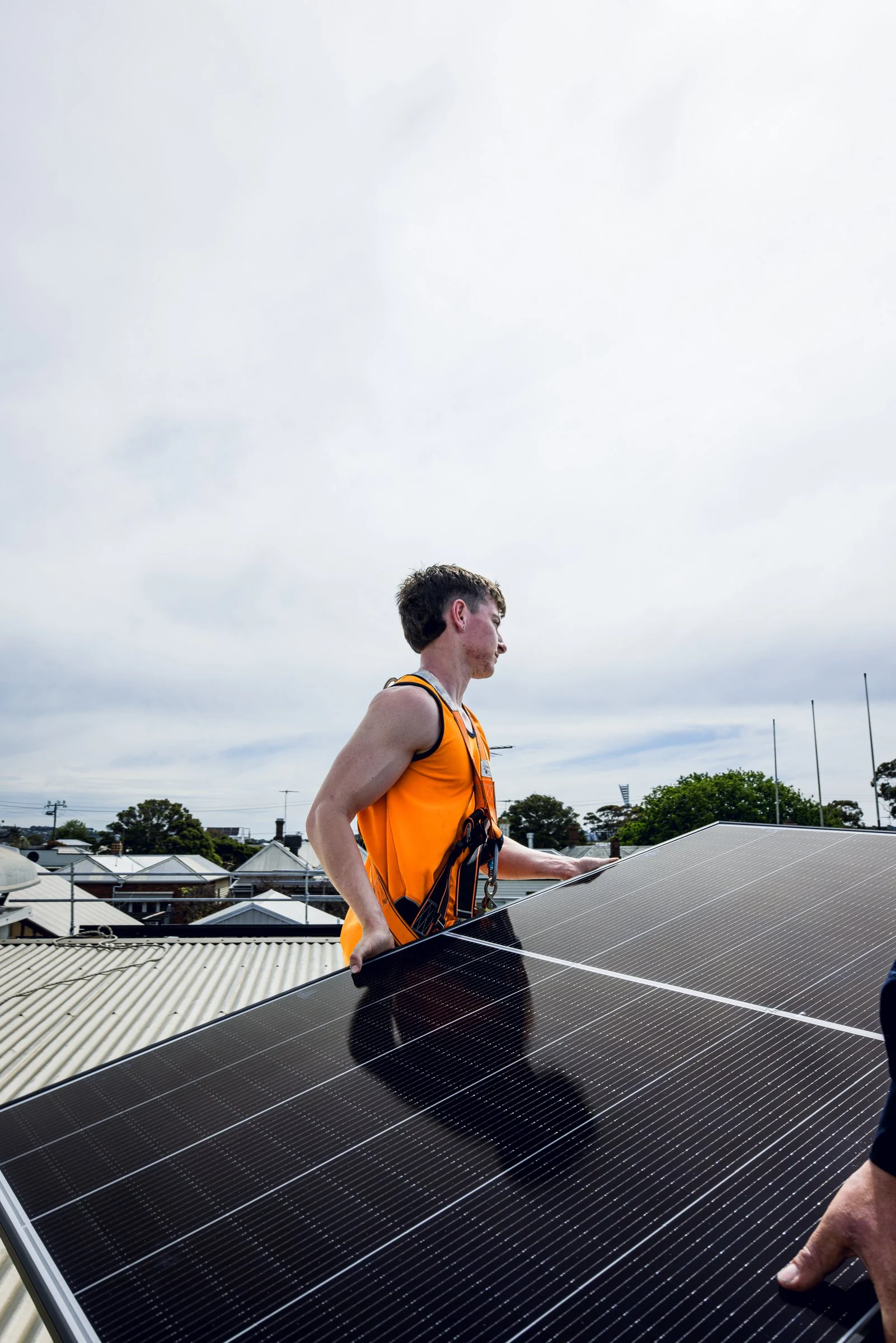
An installer in hi-vis standing on a newly installed solar array

Chux Electrical installs solar panels across Geelong, the Surf Coast and the Bellarine. We are a local team based in Breakwater, owned by Colin Norris and licensed under REC 24227. The person who quotes your job does the work, with no subcontractors, and every quote is free, on site and a fixed price in writing.

01

Who installs your solar matters more than the brand on the box

Most solar problems come from the install, not the panels. Poor layout, rushed wiring and a mismatch between the system and the house cause more grief than any hardware fault.

That is why the team that quotes your job also installs it. The people who walked your roof and heard what you want are the ones on site. Customers have said the same in their reviews: the person who quoted led the install crew.

We explain your options plainly. You will not be pushed to the cheapest system or the dearest one. You will be told what each choice does, what it costs, and what we would pick if it were our house.
02

How we size a solar system for your home

Sizing starts with how you use power, not with a standard package. We look at your bills, when you are home, whether you work from home, and whether you plan to add an EV charger, heat pump hot water or a battery.

Then we look at the roof. North-facing panels produce the most across a year, but east and west faces are often worth using. East-facing panels catch the morning sun and west-facing panels catch the afternoon and early evening, which is when many households use the most power. A split layout can suit a home better than one big north array.

Shading is checked on site. Trees, chimneys, neighbouring roofs and vents all cast shadows that move across the day. A shaded panel can drag down the others on the same string, so we plan around it or use a different inverter setup.

Finally, there are network limits. In Geelong the local network is Powercor, and it sets rules on how much a home can export to the grid and how big an inverter can be. We apply for connection and design to those limits so the system is approved without surprises.

03

String inverters, micro-inverters and optimisers

There are three common ways to turn panel output into usable power. Each suits a different roof.

  • String inverter: one central inverter for a group of panels. Simple, proven and usually the best value on a clean roof with no shading. Brands include Sungrow, Fronius and FoxESS.
  • Micro-inverters: a small inverter behind each panel. Each panel works on its own, so shade on one panel does not drag down the rest. Good for complex roofs and mixed orientations. Enphase is the main option.
  • Optimisers: a small device on each panel that works with a string inverter. You get panel-level performance and monitoring with a central inverter.

04

Why panel layout matters

A good layout is not just about fitting the most panels on the roof. It is about where those panels sit, how the strings are wired and how the cable runs reach the switchboard.

We think about roof faces, access for cleaning, the position of vents and skylights, and how the array looks from the street. We also plan cable routes so they are tidy and protected, and so a future battery or extra panels can connect without ripping things apart.

Customers have commented on the panel layout and the tidy integration with an older switchboard. That kind of detail is what we aim for on every job.

05

Solar near the coast: Torquay, Ocean Grove and the Bellarine

Salt mist is hard on metal. Homes close to the beach in Torquay, Jan Juc, Ocean Grove, Barwon Heads, Queenscliff and along the Bellarine Peninsula should ask about corrosion ratings for the racking, rails, clamps and fixings, as well as the panel frames and inverter enclosure.

We choose components suited to the site and fix them correctly, so the system keeps performing and looking good as the years go on.

06

Is solar worth it, and what about a battery?

For most Geelong homes with a reasonable roof, solar cuts the power you buy from the grid, and the rebates reduce the upfront cost. How much you save depends on your usage, tariff and system size, so we work it out from your actual bills during the quote rather than quoting a generic figure.

A battery is a separate decision. It stores midday surplus for the evening. If you are choosing between more panels and a battery, we will talk it through honestly. Our home battery page covers when a battery pays off and when it does not.

07

What affects the price of a solar installation

We do not publish a one-size price because no two roofs are the same. The main drivers are system size, panel and inverter choice, roof type and pitch, how many storeys the house has, how far the array is from the switchboard, and whether the switchboard needs work.

Rebates and STCs then reduce what you pay. Amounts change, so we confirm them on your quote. After the on-site visit you get a written, fixed quote with the equipment, scope and price spelled out. Quotes are free. If the switchboard needs an upgrade, that is quoted separately.

On the job

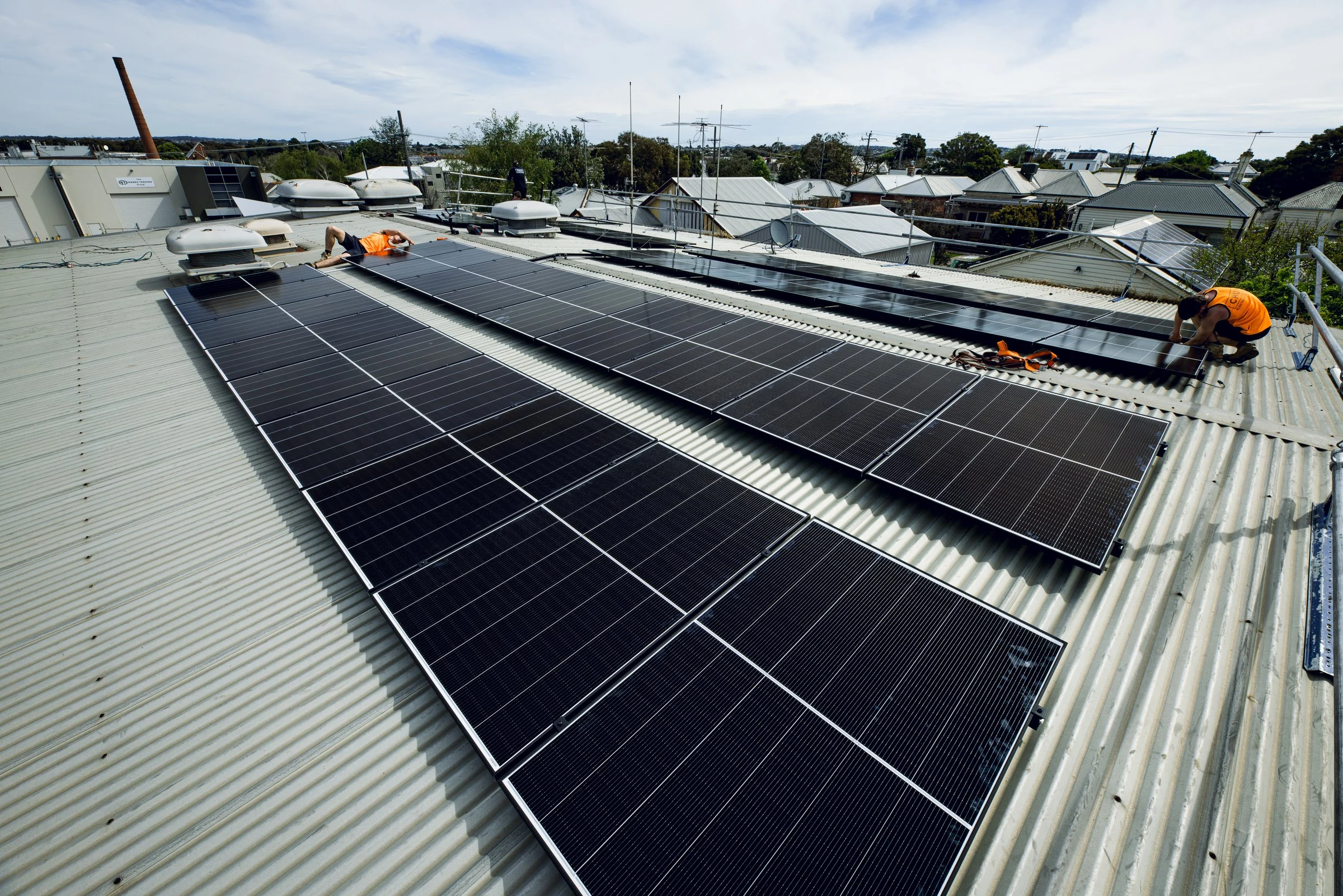
  • The crew in hi-vis working along a long row of new solar panels
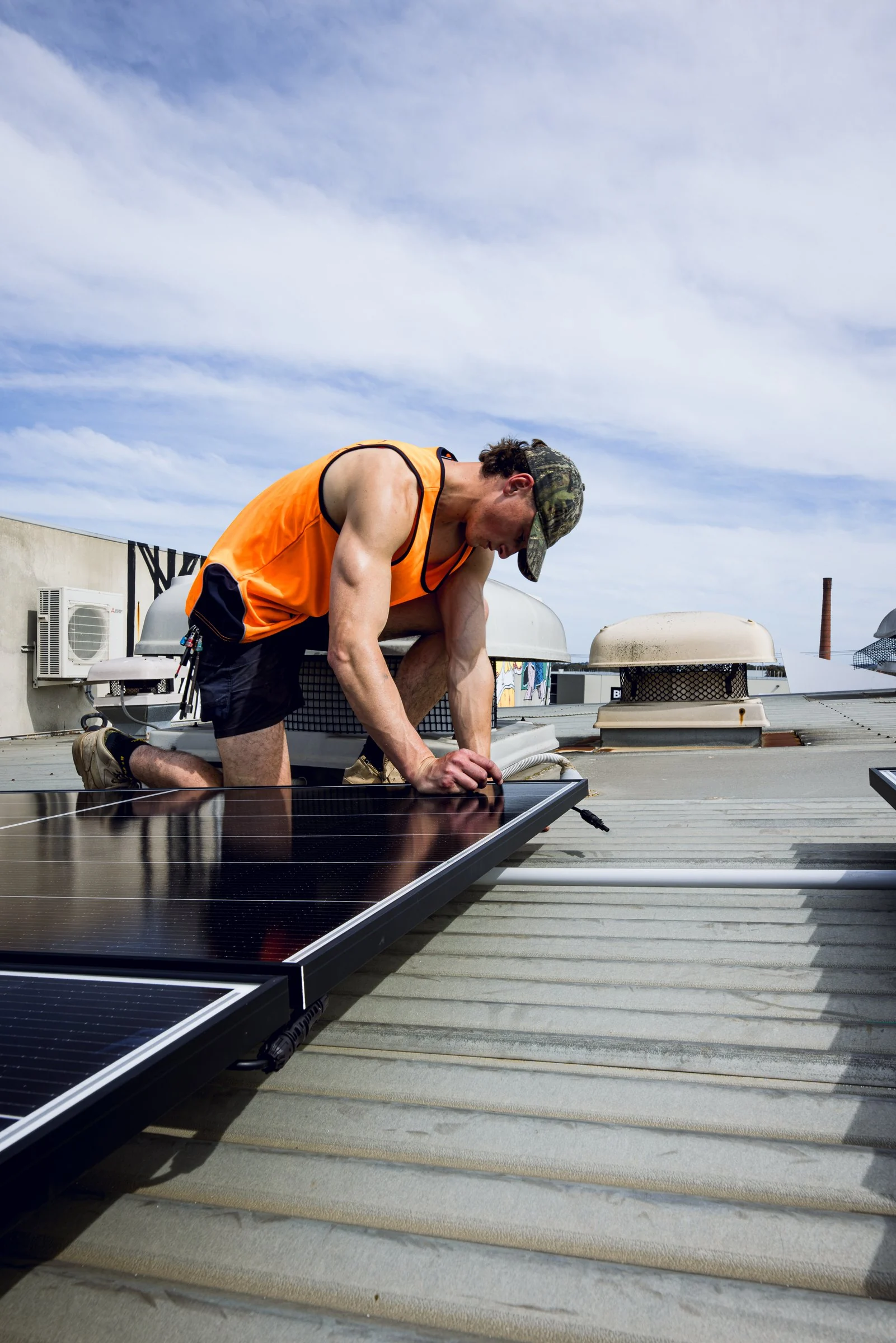
  • An installer in hi-vis bending over to clamp a panel to its rail
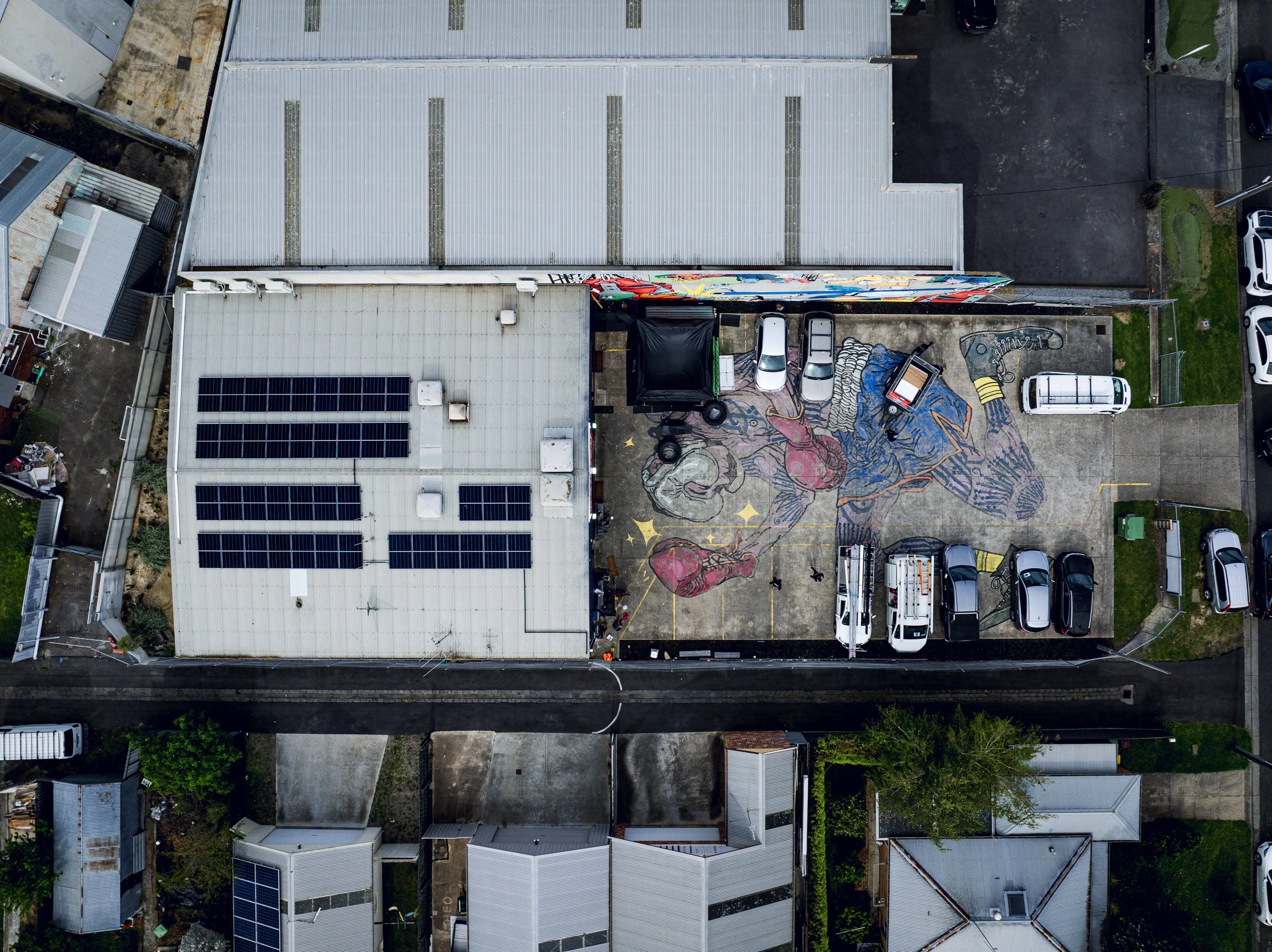
  • Top-down drone view of the roof after the install, with rows of solar panels

What you get.

  1. 01

    Free on-site quote

    We visit your home, check the roof, switchboard and meter position, and look at your bills. No pressure and no obligation.

  2. 02

    System design and sizing

    Panel count, inverter type and layout are matched to your usage, your roof and the limits set by the network.

  3. 03

    Brands we install

    Sungrow, Fronius, Enphase and FoxESS inverters, with AIKO, SunPower and Jinko Solar panels.

  4. 04

    Tidy installation

    Neat cable runs, correctly rated racking and a tidy connection to your switchboard. If the board needs an upgrade, we quote that separately.

  5. 05

    Paperwork handled

    We are an authorised solar retailer and a New Energy Tech Consumer Code approved seller, and we handle all the paperwork: the Powercor connection, STCs and the Solar Homes rebate where you qualify.

  6. 06

    Battery-ready options

    If you might add a battery later, we can pick an inverter and layout that keep that upgrade simple.

  7. 07

    Handover

    We walk you through the monitoring app and how the system behaves. Ring us if you have questions afterwards.

Rebates in 2026.

01 / 03

~30%

Cheaper Home Batteries

Federal discount on eligible batteries, designed to average about 30% and lower for larger batteries, taken off your quote upfront. About $271 per kWh up to 14 kWh for 2026 installs, at a $39.85 STC price. Steps down on 1 January 2027.

Official rules
02 / 03

$1,400

Solar Homes panel rebate

Solar Victoria. Income-tested, with an optional interest-free loan of up to $1,400.

Official rules
03 / 03

STCs

Federal solar discount

Small-scale Technology Certificates, applied by us as an upfront discount. About $1,550 on a 6.6 kW system installed in 2026, at a $39.85 STC price.

Official rules

Figures as of November 2026. Programs change, so your quote shows exactly what you qualify for. How rebates work

The same roof, before and after.

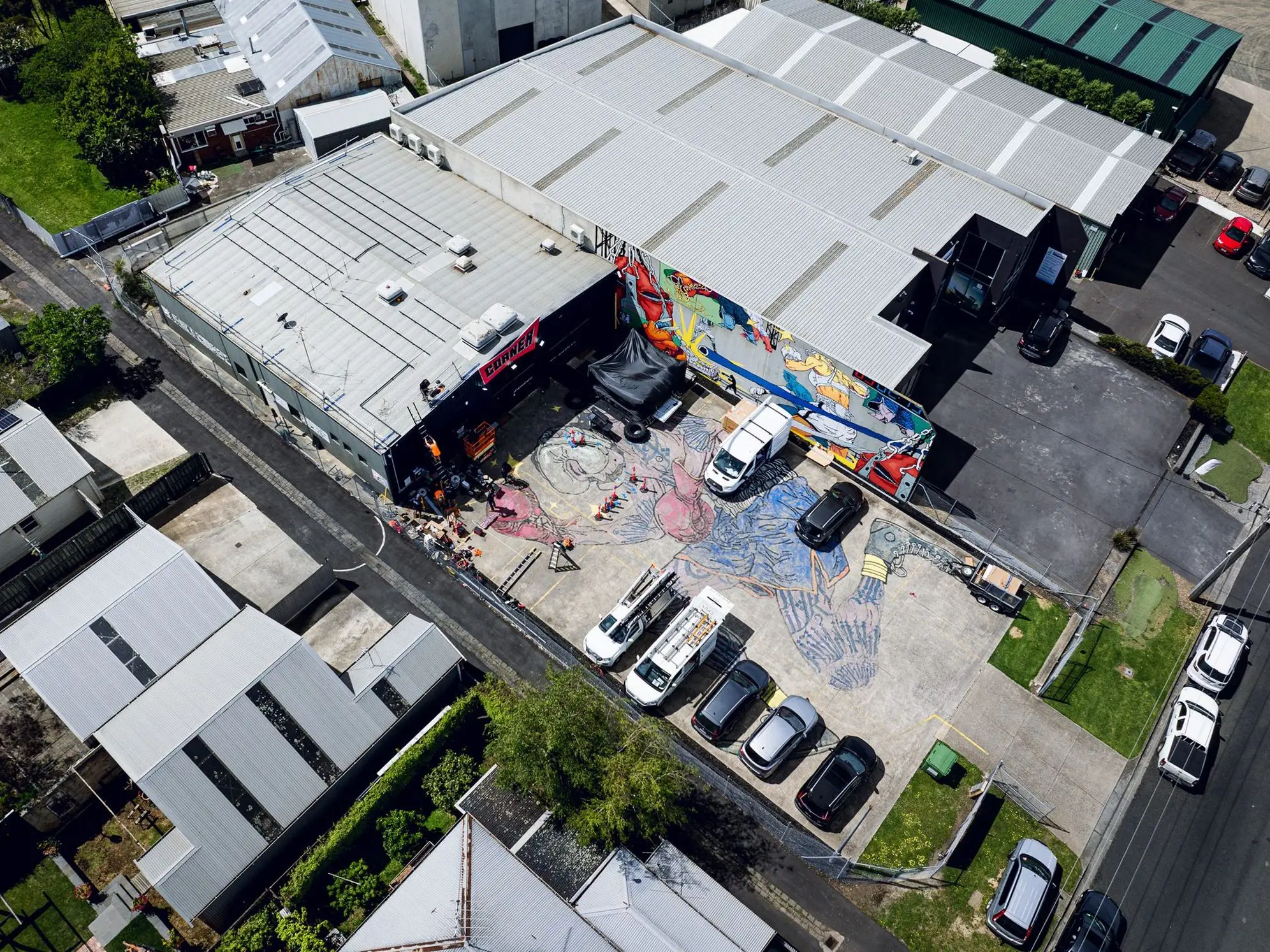
The same angled view after the install, with solar panels on the roof
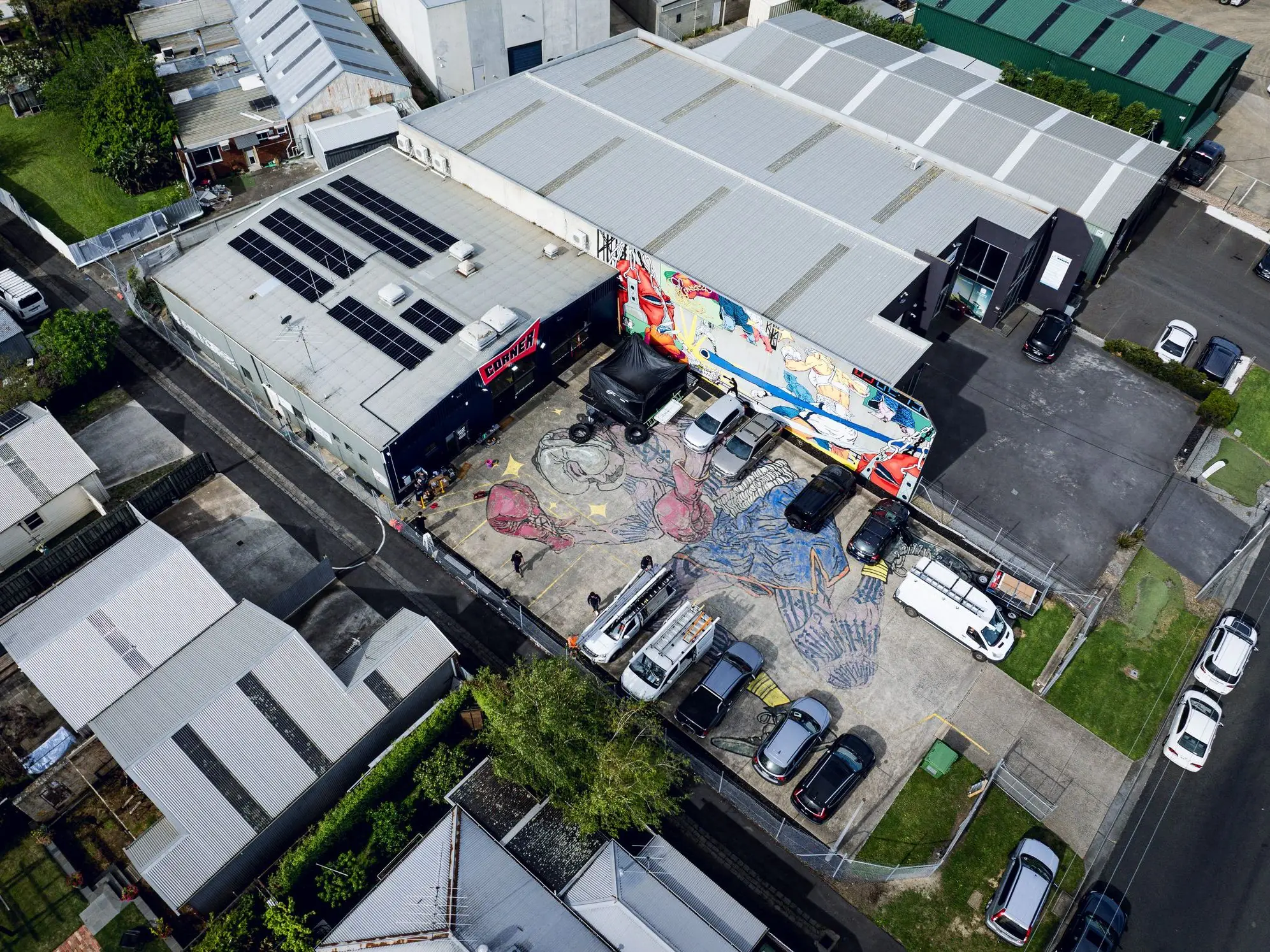
Angled drone view over the roof and the painted mural car park before the solar install
BeforeAfter

Common questions

How much does solar panel installation cost in Geelong?

It depends on system size, the panels and inverter you choose, your roof and your switchboard. Rebates and STCs then reduce the price. We do not give a ballpark over the phone because it is rarely accurate. After a free on-site visit, you get a fixed written quote.

What size solar system do I need?

It depends on your usage, your roof space and the network export limit. We look at your bills, when you use power and any plans for an EV, heat pump or battery. Bigger is not always better, so we size it to what suits your home.

Do I need micro-inverters or a string inverter?

A string inverter suits most clean, unshaded roofs and is good value. Micro-inverters or optimisers suit shaded roofs, mixed orientations and complex layouts. We explain the trade-offs on site and recommend what fits your roof, not what costs more.

Can I get solar if my roof faces east or west?

Yes. East and west roofs produce well and can suit households that use power in the morning or late afternoon. A split east and west layout is common. We assess pitch, shading and your usage before recommending a design.

How long does a solar installation take?

Many home installs take a day or two on site once approvals are in place. Larger systems, complex roofs or switchboard upgrades can take longer. We confirm the schedule when we quote and arrange times with you by text.

Do I need a new switchboard for solar?

Not always. Older boards with ceramic fuses, or boards without space or safe protection, may need upgrading. We check at the quote visit and tell you plainly. Many older boards can be connected tidily without a full replacement.

Will solar panels survive salt air near the coast?

Yes, if the right components are used. Near Torquay, Ocean Grove and the Bellarine, we select racking, fixings and enclosures with suitable corrosion ratings and install them correctly. Ask every installer about it before you accept a quote.

Can I add a battery to my solar later?

Yes. Many systems can be retrofitted, and we can plan an inverter and layout so a future battery is simple to add. If you already have solar, we check compatibility on site before recommending anything. Our battery page explains the options in detail.

Do I need Powercor approval before installing solar?

Yes, the system needs network approval, and in Geelong the network is Powercor. Your installer lodges a pre-approval application, and Powercor sets the export limit for your site. We lodge it for you before the install, so you know what the system can export before any panels go on the roof.

What if Powercor gives me a 0 kW export limit?

Powercor says that if pre-approval gives you a 0 kW export limit, you can choose a flexible exports connection instead, letting you export up to your inverter's capacity, to a maximum of 10 kW, when the network has room. You need a CSIP-AUS compatible inverter and a reliable internet connection. We check this when we design your system.

Get a free on-site quote.

Tell us what you need. We reply within 24 hours. Solar, batteries, EV chargers and other installs get a free on-site quote with a fixed price in writing; repairs and fault-finding are charged by the hour.

Or call us

0490 503 073

Step 1 of 3: The job

What do you need?
Where is the job?
How do we reach you?

Install quotes are free, on site, no obligation. Repairs are charged hourly. We reply within 24 hours.