Skip to content
Chux Electrical Services

Solar and battery rebates in Victoria (2026)

A plain guide to the Solar Homes rebate, STCs and the Cheaper Home Batteries Program. We tell you what you may qualify for and confirm the amounts on your quote. Figures last checked 11 November 2026 against solar.vic.gov.au and the Clean Energy Regulator.

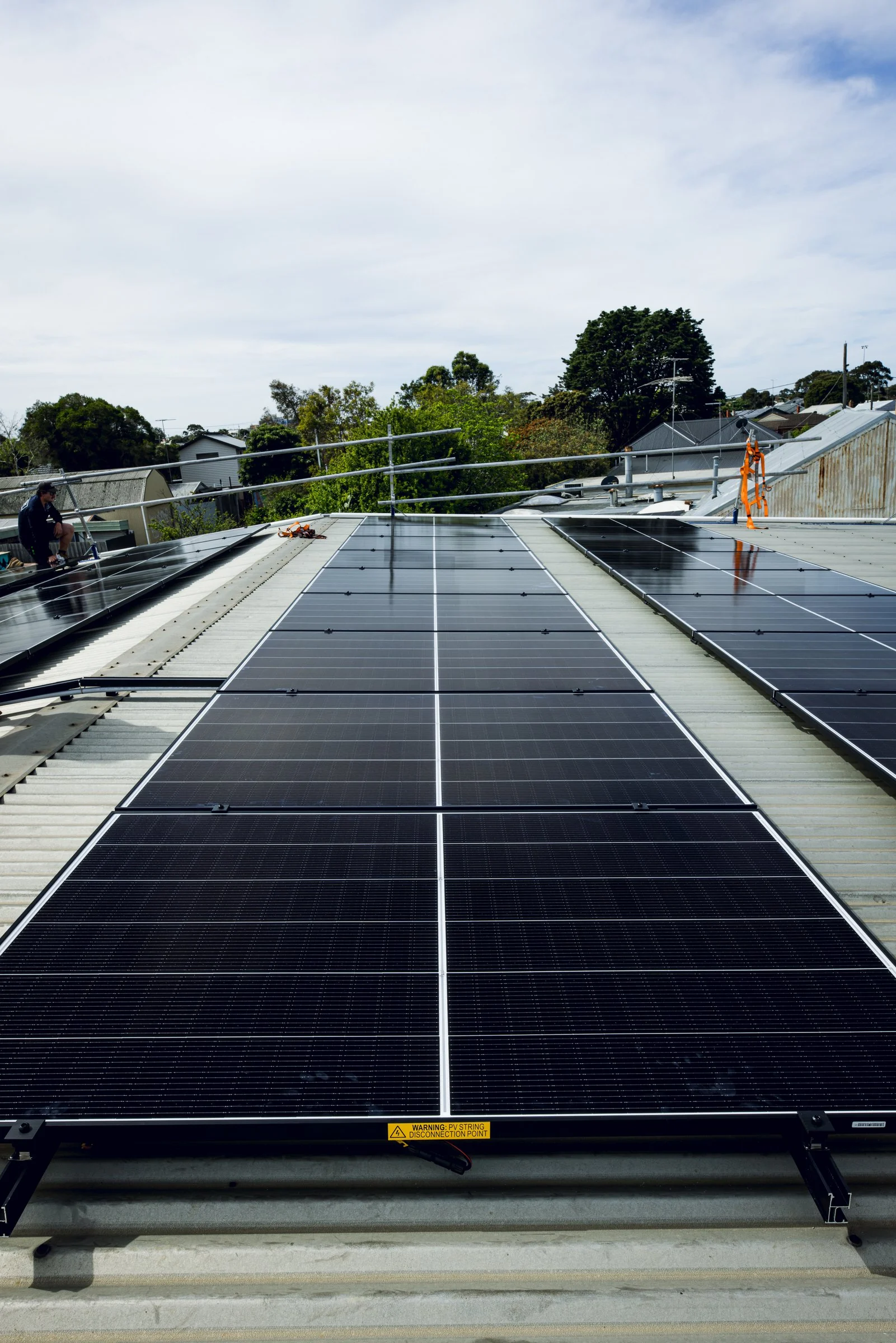
Looking down a straight line of new solar panels on the roof

01

Check the official rules before you sign

Rebate rules and amounts change, sometimes with little notice. This page reflects what we understand as of October 2026. Always check the official sources before you sign: solar.vic.gov.au for Victorian programs, the Clean Energy Regulator for STCs, and the DCCEEW Cheaper Home Batteries page for the federal battery program.

We confirm the amounts that apply to you on your written quote. We do not push you to a bigger system or a particular brand to chase a rebate.

02

Solar Homes panel rebate and loan

The Victorian Government's Solar Homes program offers a rebate for rooftop solar panels of up to $1,400. Eligible households can also apply for an optional interest-free loan of up to $1,400, repaid over four years.

It is income-tested. The combined household income cap is $150,000 for applications from 1 July 2026 (Solar Victoria, checked 11 November 2026). The property must be valued under $3 million, and the rebate is generally available once per household in roughly a 10-year period.

You need to be eligible before the install goes ahead, and the system must meet program rules, including approved equipment and an authorised retailer. We check this early so there are no surprises.

Solar Victoria has announced that support for solar panels will move into the Victorian Energy Upgrades program from 1 July 2027. Until then, eligible households can keep applying for the remaining rebates.

The Solar Victoria battery loan is closed. Battery support now comes from the federal program below.

03

STCs: the federal solar discount

Small-scale Technology Certificates (STCs) are a federal incentive for installing small solar systems. The Clean Energy Regulator administers them.

In practice, the installer creates the certificates and applies their value as an upfront discount on your invoice. The value depends on the size of the system and the price of certificates at the time, so it moves. It is not income-tested.

How the number is worked out: system size in kW, times the zone rating (Geelong is zone 4, 1.185), times the deeming years left in the scheme, rounded down. For a system installed in 2026 that is 5 years, so a 6.6 kW system creates 39 STCs. At the Clean Energy Regulator's reported spot price of $39.85 (30 September 2026), that is about $1,550 before any trading costs. From 1 January 2027 the deeming period drops to 4 years, so the same system creates 31 STCs, about $1,235.

Your system must use approved panels and inverters and be installed to the scheme rules. We handle the STC paperwork.

04

Cheaper Home Batteries Program

The federal Cheaper Home Batteries Program takes a discount off eligible home batteries. The discount is designed to average around 30%, and it is lower for larger batteries, because it is tiered by size: batteries up to 14 kWh get the full discount, and bigger ones get progressively less. There is no means test, and homes and businesses can both use it.

How it is worked out: each usable kWh earns STCs at a set factor, which is 6.8 for installs from 1 May to 31 December 2026. The full factor applies to the first 14 kWh, 60% of it from 14 to 28 kWh, and 15% from 28 to 50 kWh. At $39.85 per STC that is about $271 per kWh for the first 14 kWh, so a 13.5 kWh battery creates 91 STCs, about $3,600. From 1 January 2027 the factor drops to 5.7, about $227 per kWh.

The battery must be VPP-capable and installed to the program rules. The discount is applied upfront, so it comes off the price on your quote rather than being a refund later.

The discount steps down on 1 January 2027. If a battery makes sense for your home, that date matters for your timing.

For battery sizing and retrofit options, see our solar battery installation page.

05

How the rebates work together

Many households can combine them. A new solar system may attract STCs and, if you qualify, the Solar Homes rebate. A battery can attract the federal battery discount. Eligibility for each is separate.

Order matters. Rebates are generally applied at the time of purchase and installation, so check your eligibility before you sign and before any work starts. Do not assume a program will cover you after the fact.

Also be wary of anyone who quotes a rebate figure as a guarantee. The numbers depend on your household, your property and the date. A good quote shows the discount as a separate line so you can see exactly what you are getting.

The best approach is to talk it through on site. We look at your situation, explain which programs apply and show how each one changes the price on a fixed quote.

06

How the rebates affect your quote

Rebates reduce the price you pay, but the starting price depends on system size, equipment, roof and switchboard. Because amounts change, we confirm the figures that apply to you on your written quote after the on-site visit.

Quotes are free, and the price is fixed once we have seen your home.

On the job

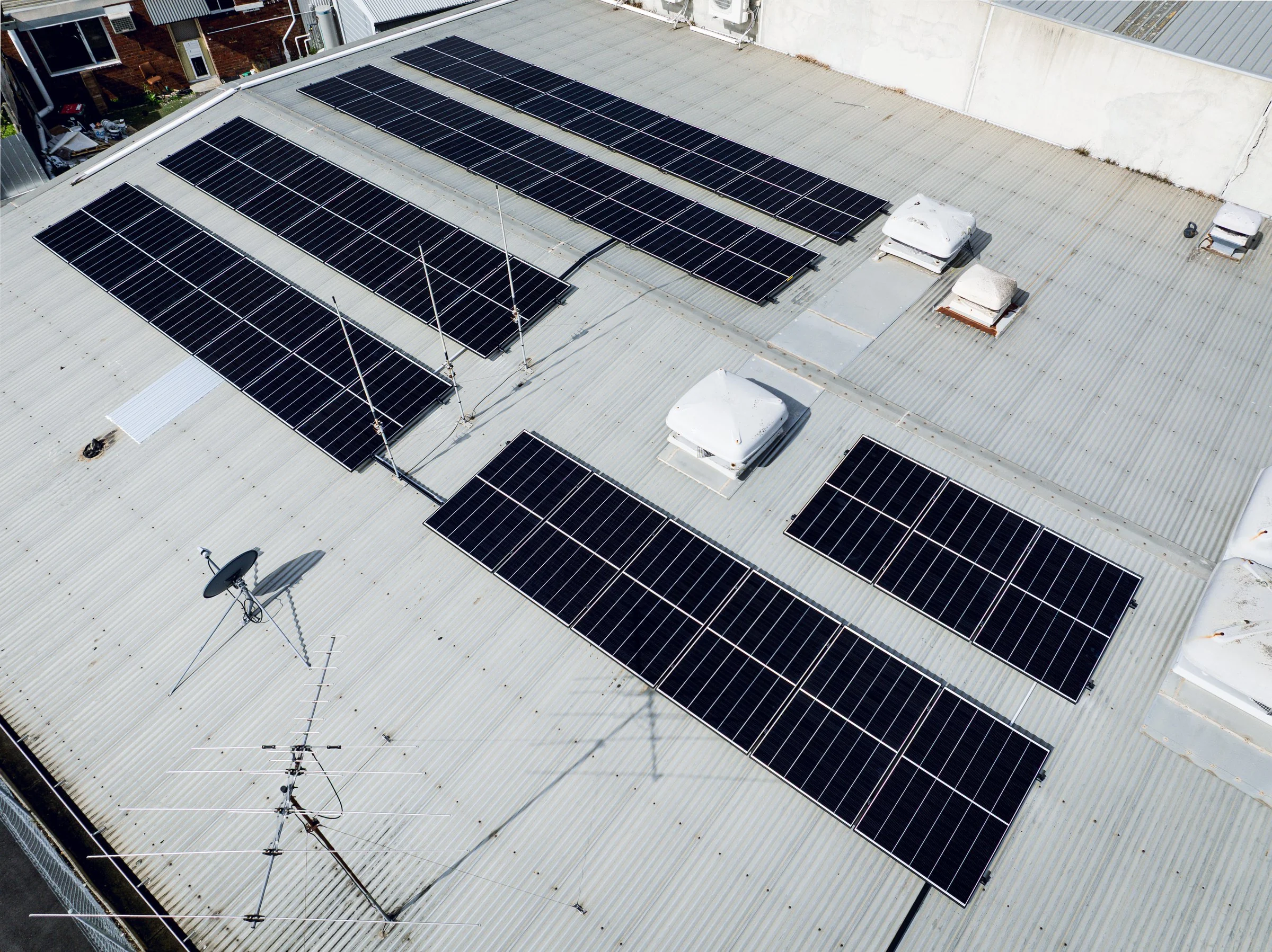
  • Drone view of several new solar arrays across a large metal roof
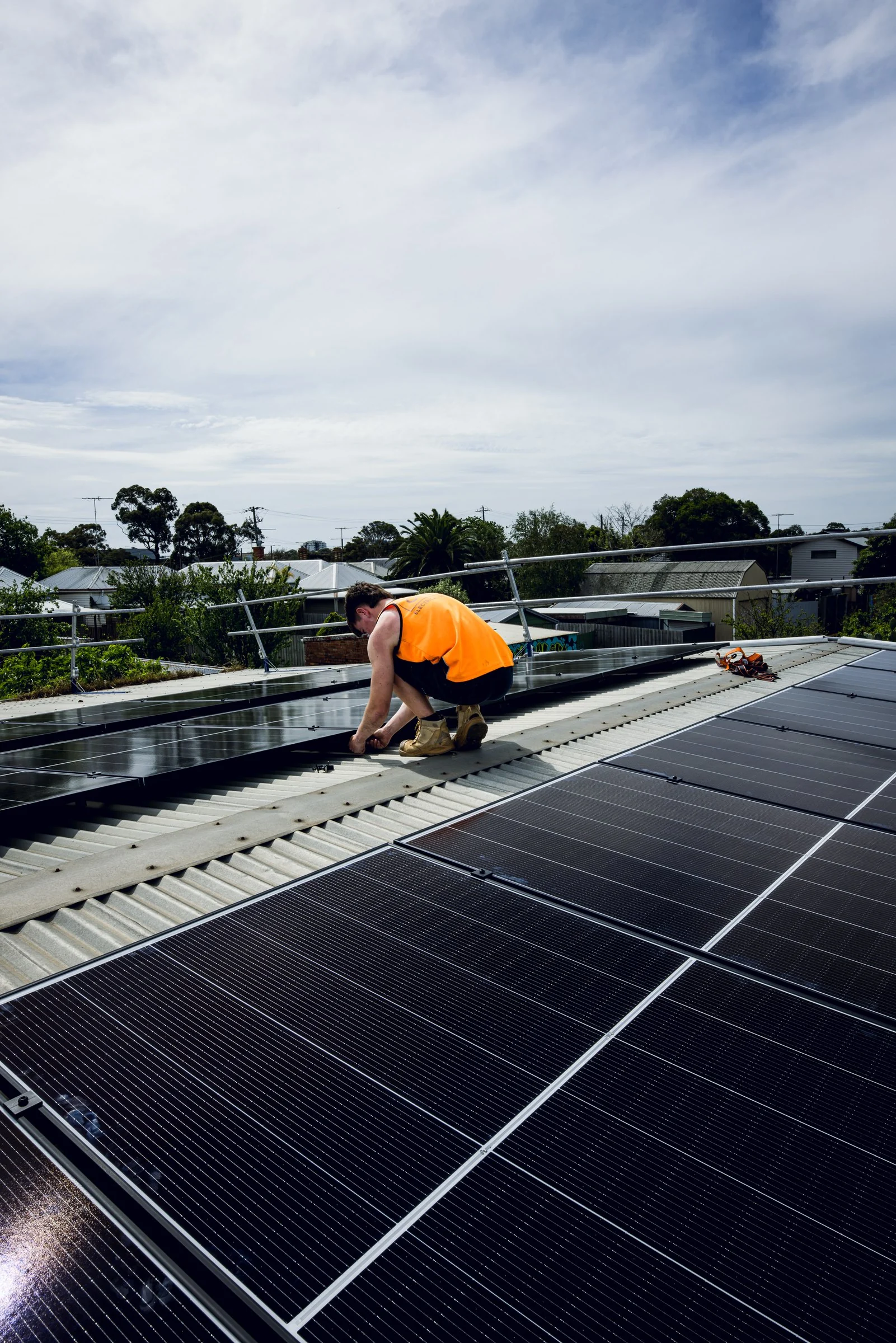
  • An installer kneeling at the edge of the array, fixing a panel
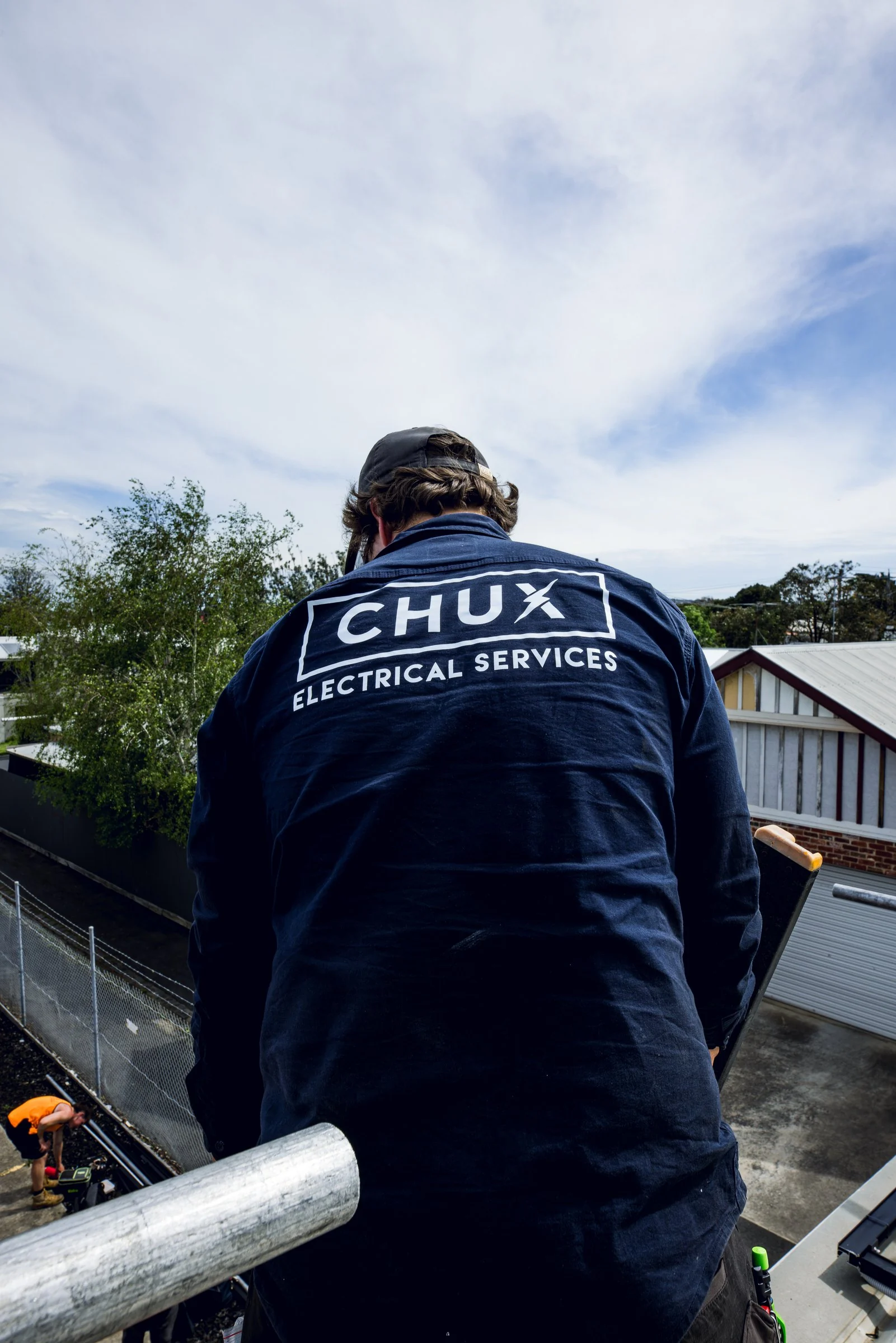
  • A Chux installer on the roof with Chux Electrical Services on the back of the jacket

What you get.

  1. 01

    Eligibility check

    We look at your household, property and plans and tell you which rebates you are likely to qualify for.

  2. 02

    STC discount applied upfront

    We apply the federal discount for eligible solar systems so it comes off the price on your quote.

  3. 03

    Solar Homes paperwork

    If you qualify for the Victorian panel rebate or loan, we help you through the process.

  4. 04

    Battery discount applied upfront

    For eligible batteries, the federal discount is taken off the price at installation, as long as the rules are met.

  5. 05

    Approved seller, paperwork handled

    We are an authorised solar retailer and a New Energy Tech Consumer Code approved seller. We supply approved equipment and handle all the rebate paperwork.

  6. 06

    Written, fixed quote

    Amounts are confirmed on your quote after an on-site visit, so you know the real cost before you commit.

Rebates in 2026.

01 / 03

~30%

Cheaper Home Batteries

Federal discount on eligible batteries, designed to average about 30% and lower for larger batteries, taken off your quote upfront. About $271 per kWh up to 14 kWh for 2026 installs, at a $39.85 STC price. Steps down on 1 January 2027.

Official rules
02 / 03

$1,400

Solar Homes panel rebate

Solar Victoria. Income-tested, with an optional interest-free loan of up to $1,400.

Official rules
03 / 03

STCs

Federal solar discount

Small-scale Technology Certificates, applied by us as an upfront discount. About $1,550 on a 6.6 kW system installed in 2026, at a $39.85 STC price.

Official rules

Figures as of November 2026. Programs change, so your quote shows exactly what you qualify for. How rebates work

Common questions

What solar rebates are available in Victoria in 2026?

The main ones are the Solar Homes panel rebate of up to $1,400 with an optional interest-free loan, federal STCs applied as an upfront discount, and the federal Cheaper Home Batteries Program for eligible batteries. Eligibility and amounts vary, so we confirm them on your quote.

Who is eligible for the Solar Homes rebate?

Generally, households under the income cap, with a property valued below $3 million, who have not claimed in roughly the last 10 years. The combined household income cap is $150,000 for applications from 1 July 2026 (Solar Victoria, checked 11 November 2026). Check solar.vic.gov.au for the current rules before you apply, as they can change.

What are STCs and how do I get them?

STCs are federal certificates for small solar systems. The installer creates them and applies their value as an upfront discount on your invoice. The value depends on system size and certificate price. You do not need to claim anything yourself. It is one line on your quote.

How does the Cheaper Home Batteries Program work?

It takes a discount off eligible batteries. The discount is designed to average around 30%, and it is lower for larger batteries (the full discount applies up to 14 kWh, 60% from 14 to 28 kWh and 15% from 28 to 50 kWh). For installs to 31 December 2026 it works out at about $271 per kWh for the first 14 kWh, at a $39.85 STC price. There is no means test. The battery must be VPP-capable and installed to the program rules. The discount is applied upfront. It steps down on 1 January 2027. Check the DCCEEW page for current details.

Is the Victorian battery loan still available?

No. The Solar Victoria battery loan is closed. The federal Cheaper Home Batteries Program is the main battery incentive available now. We can explain how it applies to you on a free on-site quote. Check solar.vic.gov.au for updates, because rebate rules change.

Can I get a rebate if I already have solar?

You may still qualify for the federal battery discount if you add an eligible battery. The Solar Homes panel rebate usually applies once per household in a long period, so an earlier claim may affect it. We check your history during the quote and tell you plainly what still applies.

Do I have to be a pensioner or low income to get a battery discount?

No. The federal Cheaper Home Batteries Program has no means test. The Solar Homes panel rebate and loan are income-tested, but the battery discount is not. Eligibility depends on the battery model, how it is installed and who installs it.

Do the rebate amounts change?

Yes, they can. STC values move, programs adjust their rules, and the battery discount steps down on 1 January 2027. We confirm the amounts that apply to you on your written quote and point you to the official sources. Always check before you sign.

Get a free on-site quote.

Tell us what you need. We reply within 24 hours. Solar, batteries, EV chargers and other installs get a free on-site quote with a fixed price in writing; repairs and fault-finding are charged by the hour.

Or call us

0490 503 073

Step 1 of 3: The job

What do you need?
Where is the job?
How do we reach you?

Install quotes are free, on site, no obligation. Repairs are charged hourly. We reply within 24 hours.