Skip to content
Chux Electrical Services

EV charger installation in Geelong

Charging at home is usually the cheapest and easiest way to run an EV. We work out the right charger for your car, switchboard and solar, then quote and install it ourselves.

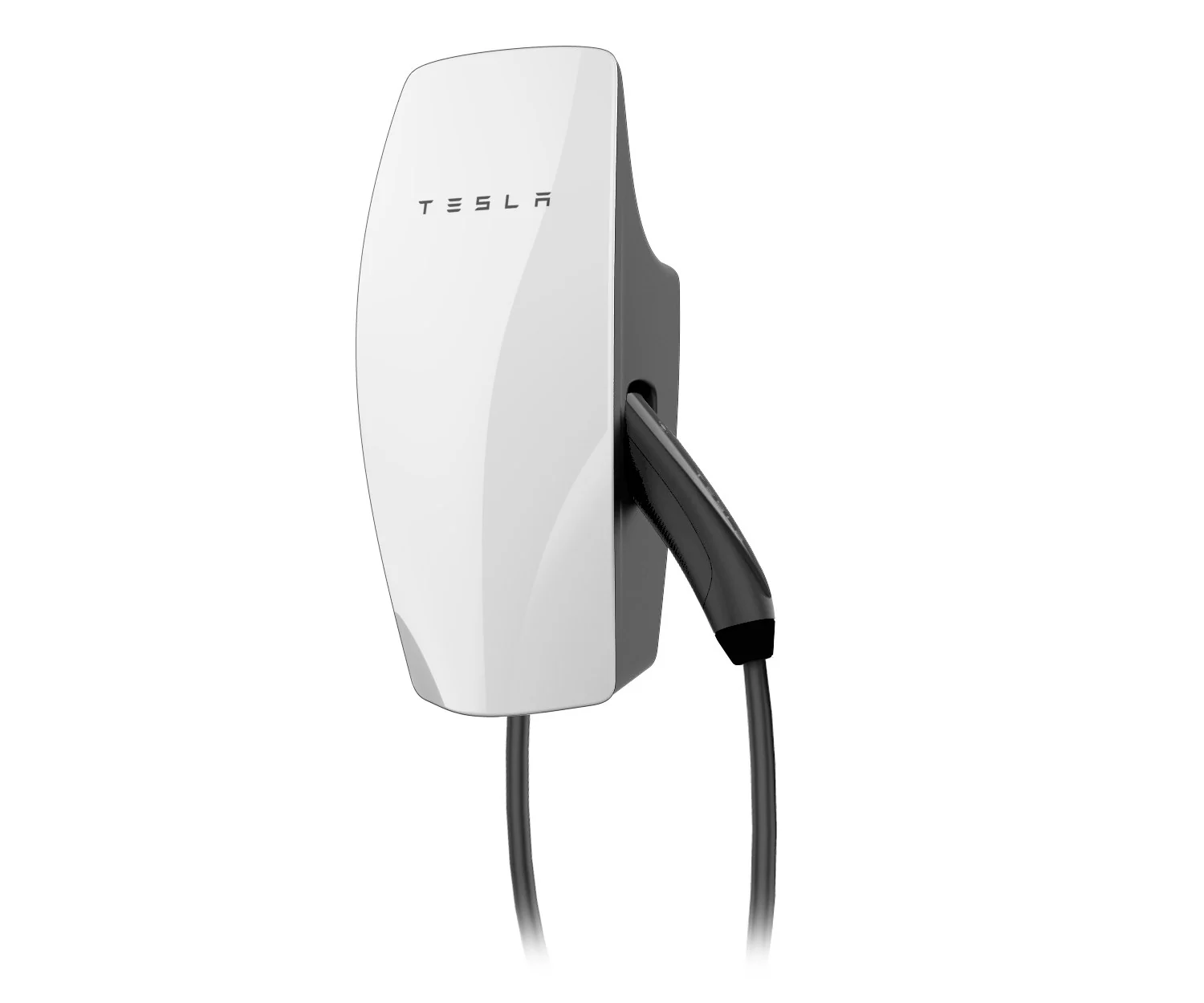
A Tesla Wall Connector home EV charger

Product image: Tesla

Chux Electrical installs home EV chargers across Geelong, the Surf Coast and the Bellarine. We are a local team based in Breakwater, owned by Colin Norris and licensed under REC 24227. The person who quotes your job does the work, with no subcontractors, and every quote is free, on site and a fixed price in writing.

01

Why install a charger at home

You can charge an EV from a standard powerpoint, but it is slow and not designed for hours of continuous load. A proper home charger is faster, safer and gives you control over when and how your car charges.

Many owners charge overnight at home. A charger on its own circuit means the car is full by morning, and you can schedule charging for off-peak periods or for when your solar is producing.
02

Single-phase or three-phase: what do you have?

Most Geelong homes have single-phase power. Some, especially larger homes and newer builds, have three-phase. Which one you have affects how fast you can charge.

A single-phase home typically supports a charger of up to about 7 kW. That adds a decent amount of range overnight and suits most daily driving.

A three-phase home can support chargers up to about 22 kW. Not every car can use that. Many EVs only accept 7 kW or 11 kW on AC, so a bigger charger would not charge them any faster. Check your car's AC charging rate before paying for capacity you cannot use.

We will check your supply and your car, then tell you what is worth installing.

03

7 kW or 22 kW: which one do you need?

For most households, 7 kW is plenty. If you drive an average day, a night of charging easily covers it. It is also the simplest and often the most affordable install.

A 22 kW charger only makes sense if you have three-phase, your car can accept that rate, and you really need quick top-ups, for example with two EVs or very high daily distances. In many cases a car's onboard charger is the limit, not the wall unit.

The right answer is the one that fits your car and your driving. We would rather fit a charger that suits you than sell you one with speed you will never use.

04

Solar-aware charging and load management

If you have solar, you can charge your EV from your own panels. A solar-aware charger watches how much power your system is producing and adjusts the charge rate to use the surplus, so less goes back to the grid for a low feed-in rate.

Load management protects your supply. Your home has a limit on how much power it can draw at once. If the car, the oven and the air conditioner all run together, a managed charger lowers its draw so you do not trip the main switch.

These features are best planned at install time. We install solar and batteries too, so we can set the charger up to work with your system.

05

Will my switchboard cope?

An EV charger is a large load that can run for hours. Some older boards, especially those with ceramic fuses or no spare capacity, cannot take it safely. In those cases a board upgrade comes first.

We check this at the quote and tell you straight. If an upgrade is needed, we quote it separately from the charger, in writing, so you know both costs up front.

06

What affects the cost of an EV charger install

The price depends on the charger you choose, whether you have single or three-phase supply, the distance from the switchboard to the charger, whether the board needs upgrading, and any smart features like solar-aware charging.

We give you a free on-site quote with everything itemised, and the price is fixed before work starts.

On the job

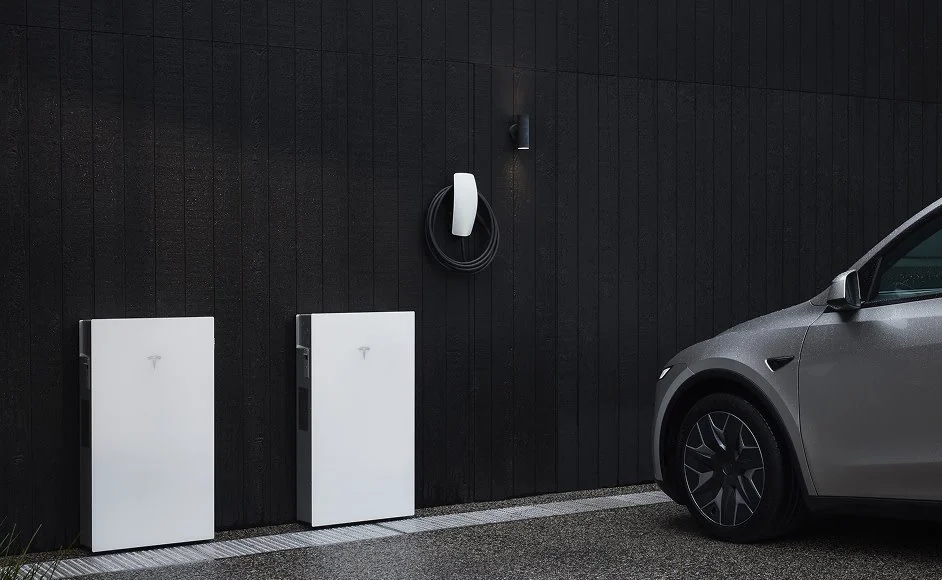
  • Tesla Powerwall 3 batteries and a wall charger beside an electric carProduct image: Tesla
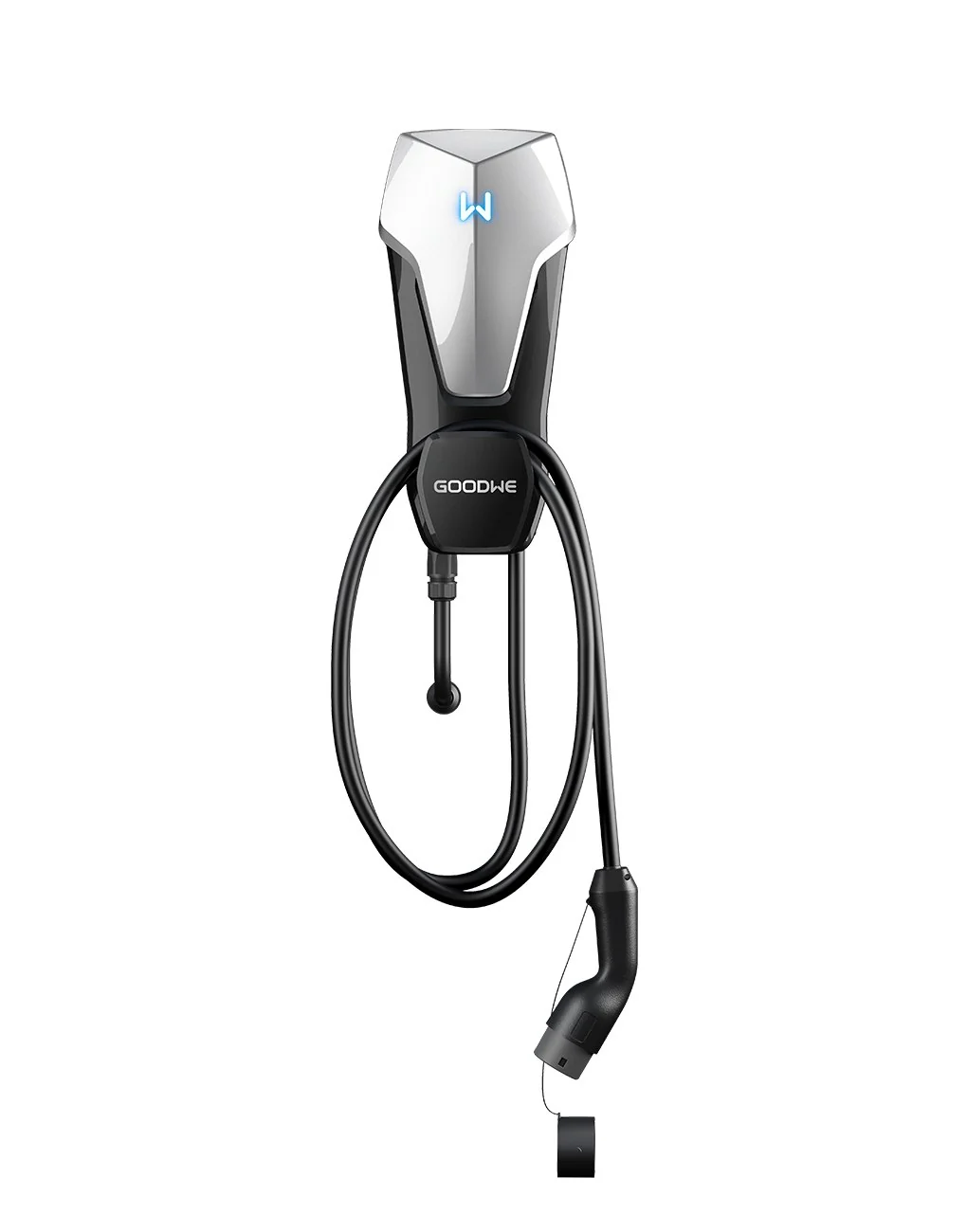
  • A GoodWe HCA series home EV charger with its cable coiledProduct image: GoodWe
  • A Chux team member smiling in front of a Chux van

What you get.

  1. 01

    Site assessment

    We check your switchboard, supply, cable run and where the charger will sit before recommending a unit.

  2. 02

    Charger supply and install

    A wall-mounted home charger fitted at the garage, carport or driveway, matched to your vehicle and supply.

  3. 03

    Dedicated circuit

    A circuit of its own with the correct cable, protection and safety switch, not a shared powerpoint.

  4. 04

    Switchboard work

    Where the board cannot support the charger, we can upgrade it. That work is quoted separately, so you see its cost on its own.

  5. 05

    Load management

    Setup so the charger does not overload your supply when the oven, air conditioner and car are all running.

  6. 06

    Solar integration

    Charging that follows your solar production, so more of the car runs on your own panels.

  7. 07

    Testing and handover

    Full testing, the Certificate of Electrical Safety and a walk-through of how to use it.

Common questions

How much does it cost to install an EV charger at home?

It depends on the charger, your supply, the cable run and whether the switchboard needs work. A short run from a healthy board is simpler than a long run or a board upgrade. We quote free on site and fix the price before we start.

Do I need a three-phase supply for an EV charger?

No. Single-phase supply works well for most households and supports a charger of around 7 kW. Three-phase allows faster rates, but many cars cannot use them. We check your supply and your car and recommend what makes sense.

What is the difference between a 7 kW and a 22 kW charger?

A 7 kW charger suits single-phase homes and most daily driving. A 22 kW charger needs three-phase supply and a car that accepts that rate on AC, which many do not. For most people, 7 kW is the better choice and the simpler install.

Can I charge my EV from my solar panels?

Yes. A solar-aware charger adjusts its rate to your panel output so you charge from your own power instead of exporting it cheaply. It works best if you are home during the day, or with a home battery to store the energy for evening charging.

Do I need a switchboard upgrade to install a charger?

Sometimes. A charger needs a dedicated circuit with the correct protection and enough spare capacity. Older boards with old fuses or no space often need upgrading first. We check at the quote, and any board work is quoted separately, in writing, before we start.

Can you install the charger I already bought?

Usually yes, as long as it suits your car and supply. Ask us before you buy if you can. We can recommend a charger that fits your setup, which avoids buying a unit that does not suit your home.

Get a free on-site quote.

Tell us what you need. We reply within 24 hours. Solar, batteries, EV chargers and other installs get a free on-site quote with a fixed price in writing; repairs and fault-finding are charged by the hour.

Or call us

0490 503 073

Step 1 of 3: The job

What do you need?
Where is the job?
How do we reach you?

Install quotes are free, on site, no obligation. Repairs are charged hourly. We reply within 24 hours.