01
How home charging works
A home charger is not a powerpoint. It is a dedicated circuit, with the right protection, running from your switchboard to a wall-mounted unit. That is what lets it deliver a steady, higher load for hours.

A home EV charger is a dedicated circuit from your switchboard to a wall-mounted charger. On single-phase power about 7 kW is typical, which refills a 60 kWh battery from empty in about 9 hours overnight. We check your switchboard, supply and cable run on site, and can set the charger to run on your own solar first.
By the Chux Electrical team. Updated 31 October 2026. 2 min read.
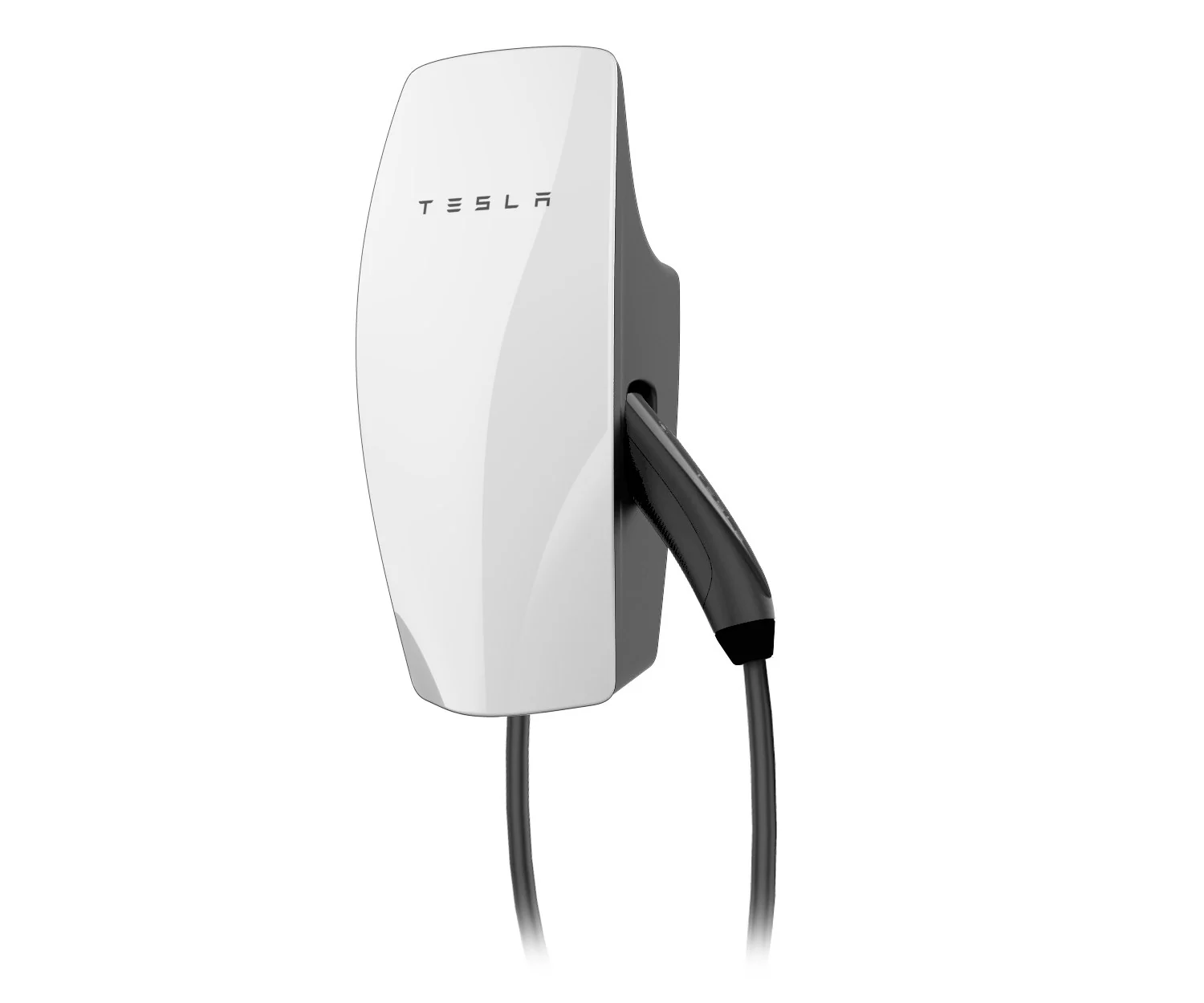
Product image: Tesla
01
A home charger is not a powerpoint. It is a dedicated circuit, with the right protection, running from your switchboard to a wall-mounted unit. That is what lets it deliver a steady, higher load for hours.
02
Most homes have single-phase supply, which typically limits a home charger to about 7 kW. Three-phase supply can support faster chargers, up to about 22 kW, though many cars accept only 7 or 11 kW on AC. A faster charger only helps if your car can accept it and your switchboard and supply can carry it.
As a simple example: a 60 kWh battery charged from empty at 7 kW takes about 9 hours (60 divided by 7 is 8.6), a little more once charging losses are counted. Most people never charge from empty, so a typical overnight top-up is shorter.
03
04
A solar-aware charger can prioritise your surplus solar, so charging mostly uses power you made yourself. It works best if the car is home in the daytime. If it is not, a battery can store the midday surplus for evening charging. See our EV charger installation page for the options.
05
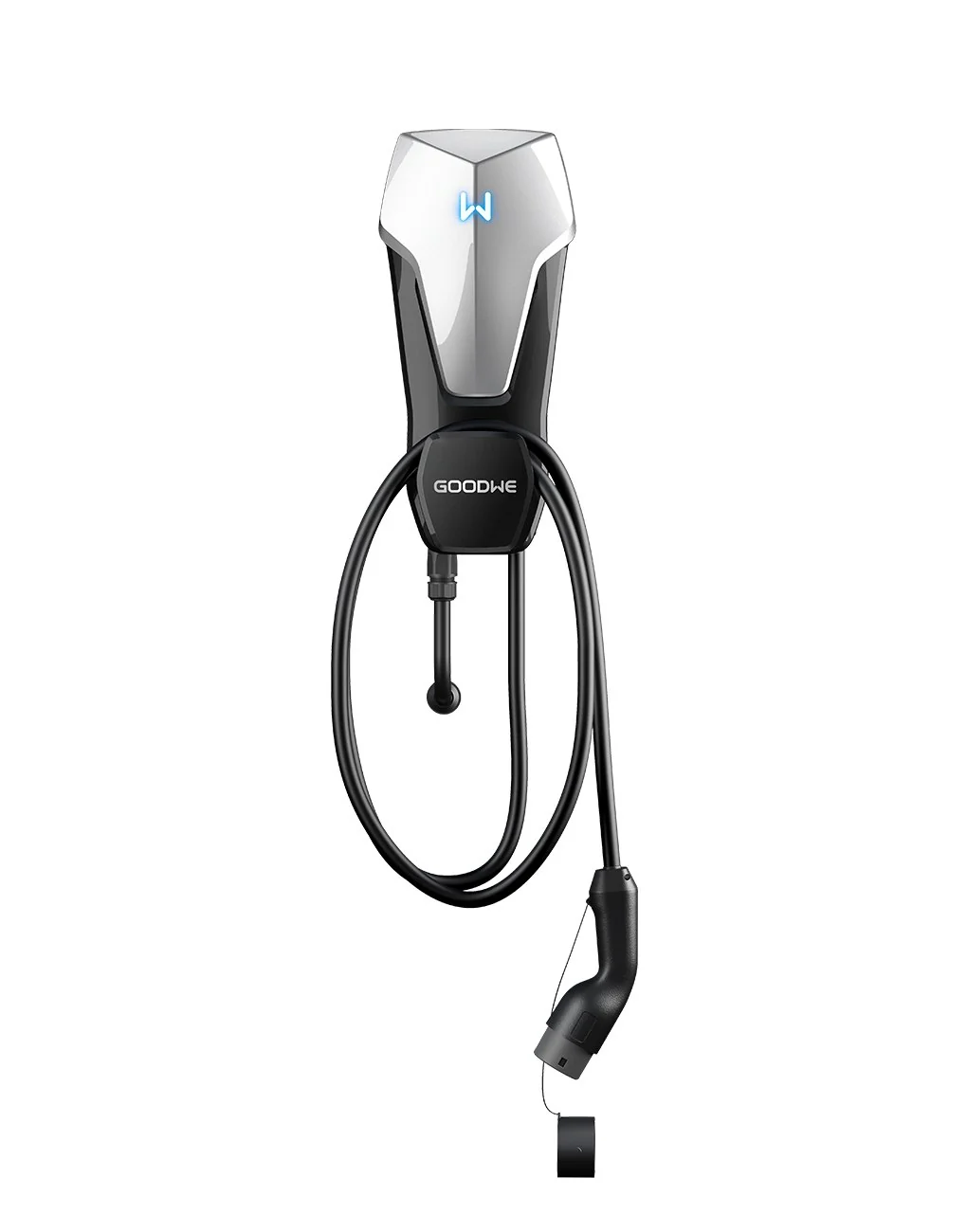
We install Tesla and GoodWe chargers, and we tell you which suits your car, your switchboard and your solar.
A standard powerpoint can charge slowly, but it is not designed for hours of continuous high load. A dedicated EV charger on its own circuit is safer and faster.
It depends on the charger and the car. At about 7 kW, a 60 kWh battery charged from empty takes about 9 hours, a little more with charging losses. Most people top up overnight rather than charging from empty.
Yes. A solar-aware charger can prioritise your surplus solar. It works best if the car is home in the daytime. If it is not, a battery can store the midday surplus for evening charging.
Tell us what you need. We reply within 24 hours. Solar, batteries, EV chargers and other installs get a free on-site quote with a fixed price in writing; repairs and fault-finding are charged by the hour.
Or call us
0490 503 073