Skip to content
Chux Electrical Services

Is a home battery worth it in Geelong?

A home battery is worth it when you export a lot of midday solar for a small credit and use plenty of power after dark. The federal Cheaper Home Batteries discount lowers the upfront cost, and it steps down on 1 January 2027. We check your bills and evening usage on site and tell you straight if it stacks up.

By the Chux Electrical team. Updated 11 November 2026. 4 min read.

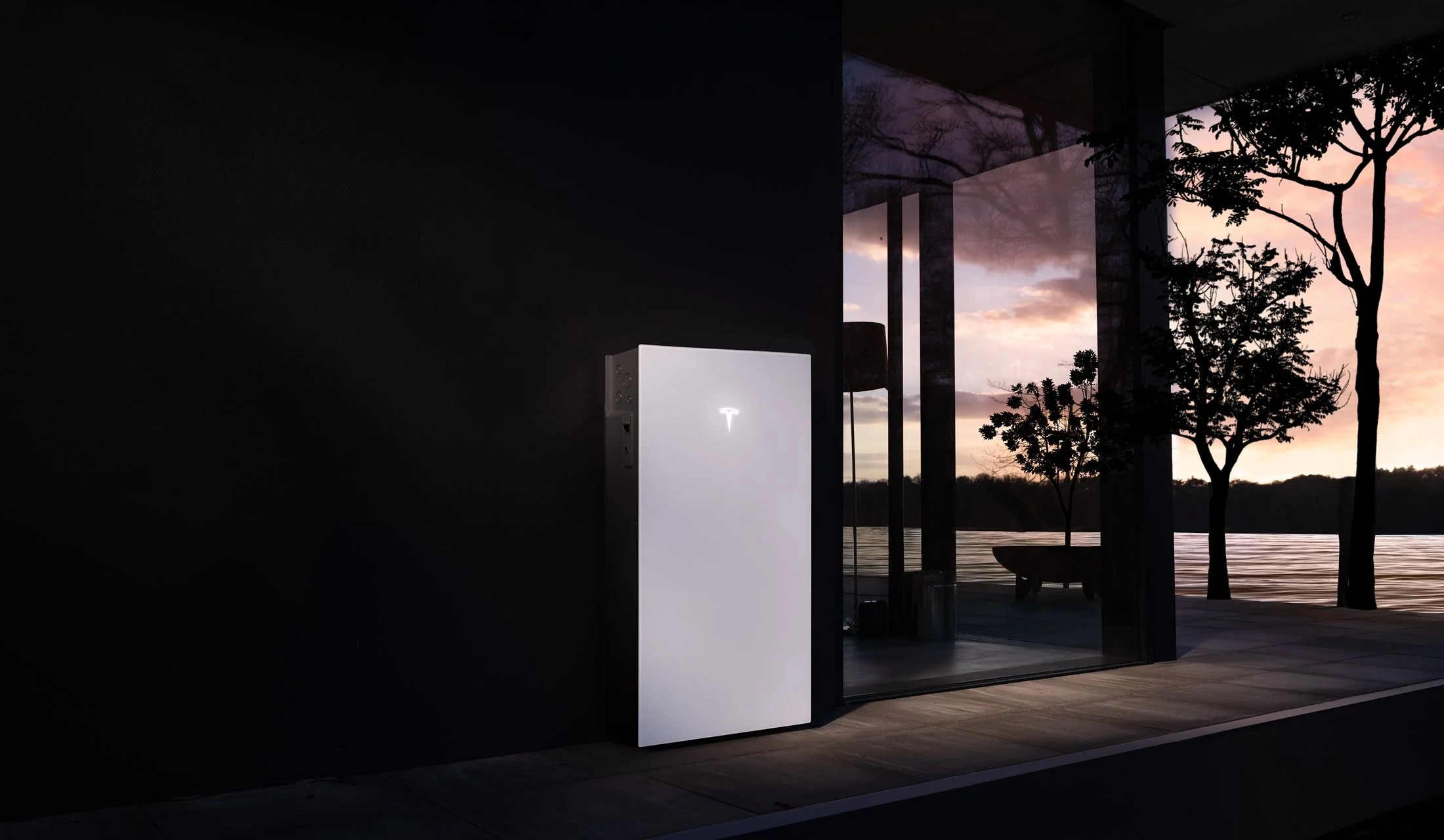
A Tesla Powerwall 3 on an outside wall at dusk

Product image: Tesla

01

What a battery actually does

Your solar panels make the most power in the middle of the day, usually when you are not home. Without a battery, whatever you do not use is exported to the grid for a small credit, and you buy power back in the evening at the full rate. A battery stores that surplus and gives it back after dark.

So a battery is not about making more power. It is about using more of the power you already make.

02

When a battery tends to stack up

Every house is different, but a battery tends to pay off when most of these are true.

  • You use plenty of power in the evening and overnight: families, cooking, air conditioning, electric heating.
  • Your feed-in credit is low compared with what you pay to buy power. Victoria has had no minimum feed-in tariff since 1 July 2025.
  • You can use the Midday Power Saver, which lets a battery top up from the grid at no cost from 11am to 2pm on low-solar days.
  • You want some blackout backup for essentials such as the fridge, lights and internet.
  • You are planning an EV charger or heat pump hot water, which add flexible load you can run on stored solar.
  • Your solar system has spare surplus most days.
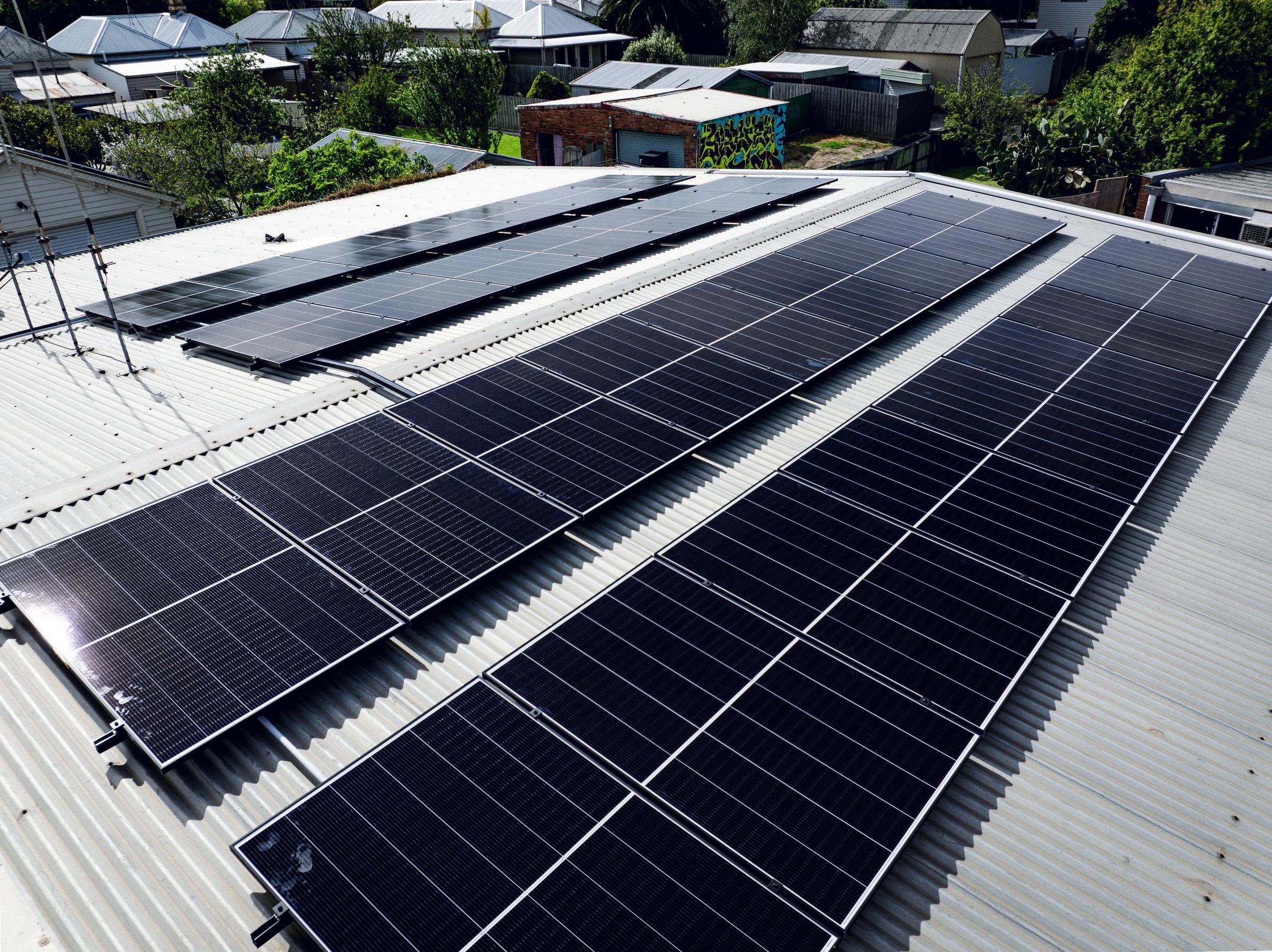
Long rows of new solar panels on a corrugated metal roof, seen from the drone

03

When it might not

If you are out most of the day and use little power at night, there is less to shift, and a battery will take longer to pay back. The same goes for a very small solar system, where there is little surplus to store. We would rather tell you that on site than sell you something that does not suit.

04

A simple way to work it out

Take the kilowatt hours a day you would move from export to the evening, then multiply by the gap between what you pay to buy power and what you are credited to export it. Your bill shows both rates.

As a worked example, not a quote: the Victorian Default Offer flat usage rate for Powercor homes is 28.22 cents a kWh for 2026 to 2027. There is no minimum feed-in tariff now, so take 3.3 cents, the last regulated minimum, as the export credit. Each kWh you move saves 28.22 minus 3.3, about 25 cents. Moving 10 kWh a day is about $2.49 a day, or roughly $910 a year. But the Essential Services Commission's typical Victorian home uses about 4,000 kWh a year, or 11 kWh a day in total, so many homes move less: at 5 kWh a day the same sum gives about $455 a year. A little energy is lost going in and out of a battery, so the real figure is a bit lower. Your real figure depends on your own rates and how much surplus you actually have. Winter surplus is much lower than summer, so use a yearly average rather than your best day.

Then compare that yearly saving with the installed cost after the discount, which we confirm on your written quote.

05

The discount and the 1 January 2027 step-down

The federal Cheaper Home Batteries discount takes an amount off an eligible battery upfront, and it steps down on 1 January 2027. The amount depends on the date the battery is installed, so timing matters if a battery is on your list. For the other programs, see our rebates guide.

06

What we check on your site visit

The free visit is where the real answer comes from. We look at:

  • How much surplus your solar makes, and when.
  • Your evening and overnight usage, from your bills.
  • Whether your existing inverter suits an AC-coupled or DC-coupled battery.
  • The space and condition of your switchboard.
  • Where the battery can safely go.
  • Whether you want blackout backup, and what that would run.

Common questions

Can I add a battery to solar I already have?

Yes. Most existing systems can take a battery, either alongside your current inverter or by swapping to a hybrid inverter. Which way is better depends on the age and type of your inverter and your switchboard. We check both on site before quoting.

Does a battery make my solar panels produce more?

No. A battery does not change how much power your panels make. It stores the surplus you would otherwise export, so you can use it in the evening instead of buying it back.

Should I wait for the discount to change?

The Cheaper Home Batteries discount steps down on 1 January 2027, and the amount depends on the install date, so waiting means a lower discount rate, though battery prices can also change. Whether a battery suits you at all is the first question, and we answer it from your bills.

Get a free on-site quote.

Tell us what you need. We reply within 24 hours. Solar, batteries, EV chargers and other installs get a free on-site quote with a fixed price in writing; repairs and fault-finding are charged by the hour.

Or call us

0490 503 073

Step 1 of 3: The job

What do you need?
Where is the job?
How do we reach you?

Install quotes are free, on site, no obligation. Repairs are charged hourly. We reply within 24 hours.