01
The short version
Both types store your surplus solar for the evening. The difference is where the battery plugs in. Neither is automatically better. Each suits a different starting point.

A DC-coupled battery connects through a hybrid inverter that manages your panels and battery together, which usually suits a new solar system. An AC-coupled battery has its own inverter and connects at your switchboard, which usually suits adding a battery to solar you already have. The best choice depends on your inverter, your switchboard and whether you want blackout backup.
By the Chux Electrical team. Updated 31 October 2026. 2 min read.

01
Both types store your surplus solar for the evening. The difference is where the battery plugs in. Neither is automatically better. Each suits a different starting point.
02
Power from your panels goes straight into the battery as DC, through one hybrid inverter that also feeds your home. There are fewer conversion steps, which can mean slightly higher efficiency when charging from solar, and one inverter instead of two.
03
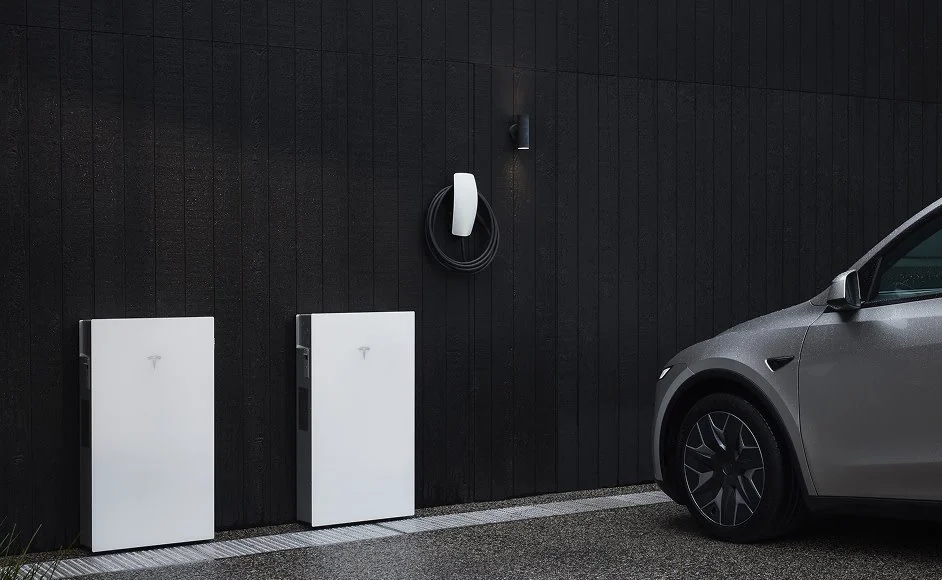
The battery connects on the AC side, alongside your existing solar inverter. Your solar system keeps working as it is. Power is converted to AC for the house, then converted again to store it, so there is one extra conversion step.
04
The two types compare like this.
| Feature | DC-coupled | AC-coupled |
|---|---|---|
| Where it connects | Panels and battery share one hybrid inverter | Battery has its own inverter, beside your solar inverter |
| Best for | A new system, or an old inverter due for replacement | Adding a battery to solar that already works |
| Conversion steps | Fewer | One extra |
| Your existing inverter | Usually replaced | Kept |
| Blackout backup | Possible, if set up for it | Possible, if set up for it |
05
Beyond the coupling type, we weigh up:
06
We check your existing inverter, your switchboard and how you use power, then recommend one option and explain why. If both would work, we tell you the trade-offs and let you decide. Our battery guide covers whether a battery suits you in the first place.
Not always. An AC-coupled battery works alongside your existing inverter. A DC-coupled setup uses a hybrid inverter, which usually means replacing the old one. We check which suits your system on site.
No. It can be slightly more efficient when charging from solar, but AC coupling is often simpler for an existing system. Efficiency is only one factor alongside your inverter, switchboard and backup needs.
Either can, if the system is set up for it. Backup needs the right inverter and switching gear, whichever way the battery is coupled.
Tell us what you need. We reply within 24 hours. Solar, batteries, EV chargers and other installs get a free on-site quote with a fixed price in writing; repairs and fault-finding are charged by the hour.
Or call us
0490 503 073