Skip to content
Chux Electrical Services

Is solar a good idea near the sea? Salt air in Torquay and Ocean Grove

Yes, solar works well on the coast, but salt air speeds up corrosion, so the details matter. Choose panels certified to the IEC 61701 salt mist corrosion test, use racking and fixings that resist salt and do not react with each other, follow the panel maker's coastal distance rules, and check for salt build-up and corrosion.

By the Chux Electrical team. Updated 8 November 2026. 4 min read.

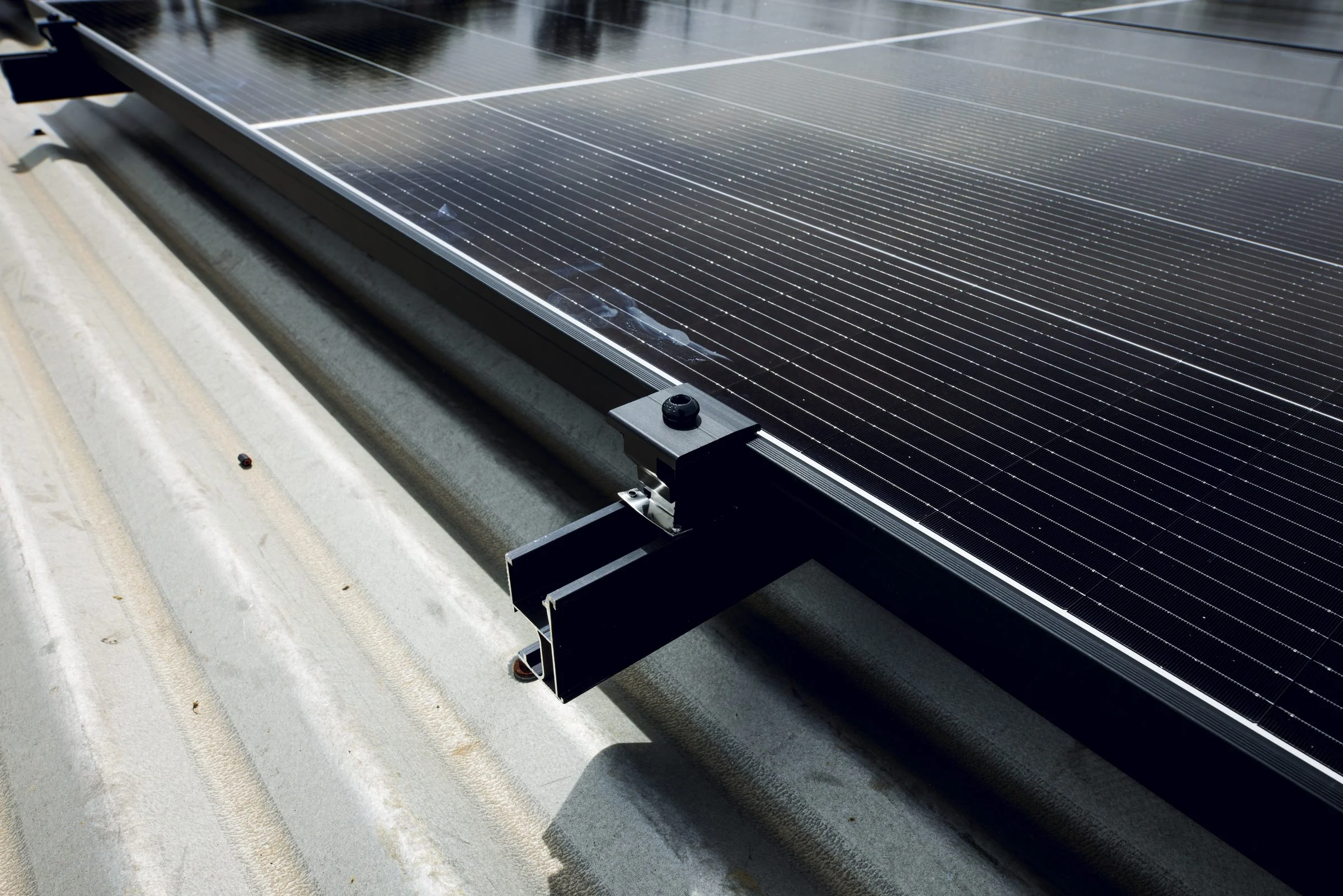
Close up of a panel clamp on its mounting rail

01

Does salt air damage solar panels?

Salt in sea air carries chloride, which corrodes metal faster when it settles and stays damp. On a solar system the risk sits mostly in the metal: panel frames, racking, clamps, bolts and earthing parts. Panel maker LONGi warns that its aluminium frames will corrode where they touch other metals in sea salt fog, especially in gaps, and that corrosion can happen even without direct contact because the salt film conducts electricity.

None of that rules solar out on the coast. It means the parts and the way they are put together matter more than they do inland.
02

What is the IEC 61701 salt mist test?

IEC 61701 is the international standard for salt mist corrosion testing of solar panels. The current edition, IEC 61701:2020, replaced the 2011 edition. It sets out test sequences that check how well a panel resists corrosion from salt mist containing chloride, using salt mist methods from IEC 60068-2-52 chosen to suit the conditions the panel will face in service.

Many panel makers list an IEC 61701 certificate on their datasheet. For a coastal home we check that the exact panel model on your quote carries it, rather than relying on the brand name.

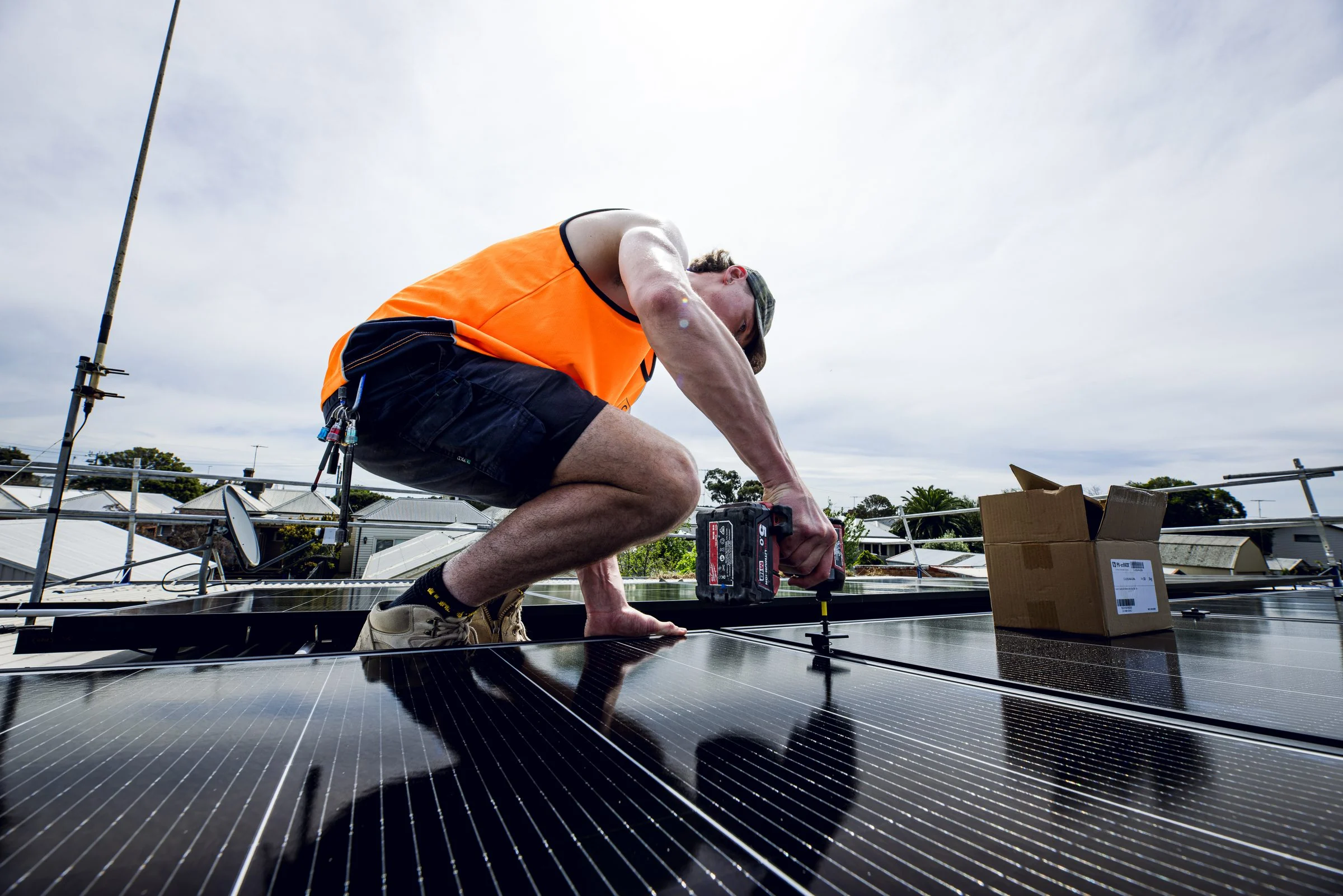
An installer crouched over a panel, tightening a fixing

03

How close to the sea is too close?

Panel makers set their own coastal rules, and they are tied to the warranty. As one example, LONGi's seaside quality statement sorts sites by distance from the sea:

  • Other makers publish their own coastal statements, and the details differ, so we check the current one for the brand on your quote.
  • LONGi also says its warranty does not cover panels soaked by seawater, whatever the distance.
How close to the sea is too close?
Distance from the seaLONGi's installation ruleLONGi warranty
500 m or moreGeneral installationCovered
Between 50 m and 500 mCorrosion protection required, plus extra maintenanceCovered
50 m or lessInstallation prohibitedVoid

04

Racking and fixings that last

The racking and fixings take the brunt of salt air. LONGi's seaside rules give a good picture of what a coastal install needs:

  • Racking and fixings in salt-resistant materials, such as suitable aluminium alloys, 316 grade stainless steel, galvanised steel or non-metal parts.
  • Insulating gaskets or anti-corrosion coatings wherever a different metal, such as a steel bolt or bracket, meets the aluminium panel frame.
  • Stainless steel earthing terminals rather than copper.
  • Care not to scratch protective coatings during the install.
  • A tilt of at least 10 degrees, so water runs off the panel surface.

05

Salt build-up and cleaning

Salt settles on glass, frames and fixings over time. LONGi's seaside guidance asks owners near the coast to check the frame, mounting system, earthing parts and joints for signs of corrosion, and to clean salt and dust from them. Follow your panel maker's manual for approved cleaning methods, and stay off the roof: we can inspect and clean coastal systems safely, and fix any corroded parts we find.

06

Solar on the Surf Coast and Bellarine

Coastal solar is common. Clean Energy Regulator data to 30 September 2026 shows 4,311 small-scale solar systems registered in postcode 3228 (Torquay and surrounds) and 3,559 in 3226 (Ocean Grove and surrounds). The Australian PV Institute puts the share of houses with rooftop solar at 31.7% and 33.1% in those postcodes, as at 31 December 2025.

Salt air does not change how you size a system or which way the panels should face. See the best direction for solar panels, and use our guide to comparing solar quotes to check what panels and racking each quote includes.

Common questions

Can you put solar panels near the beach?

Usually, yes, but check the panel maker's coastal rules first. LONGi, for example, requires extra corrosion protection between 50 and 500 metres from the sea and does not allow its panels within 50 metres. Other brands set their own limits, which we check for your address.

What does IEC 61701 certification mean?

It means the panel has passed the test sequences in IEC 61701, the international standard for salt mist corrosion testing of solar panels. The current edition is IEC 61701:2020. It is worth confirming the certificate covers the exact panel model on your quote.

Do I need stainless steel fixings near the coast?

You need fixings that resist salt and do not react with the aluminium panel frame. LONGi lists materials such as 316 grade stainless steel, suitable aluminium alloys and galvanised steel, and asks for insulating gaskets or coatings where different metals meet.

How should I clean salt off coastal solar panels?

Follow your panel maker's manual for approved cleaning methods, and do not climb on the roof yourself. LONGi's seaside guidance asks for the frame, mounting, earthing parts and joints to be checked for corrosion and cleared of salt and dust. We can inspect and clean coastal systems safely.

Can salt air void my solar panel warranty?

It can if the coastal rules are not followed. LONGi, for example, voids its warranty for panels installed within 50 metres of the sea or soaked by seawater, and requires corrosion protection from 50 to 500 metres. Check the current statement for your brand.

Get a free on-site quote.

Tell us what you need. We reply within 24 hours. Solar, batteries, EV chargers and other installs get a free on-site quote with a fixed price in writing; repairs and fault-finding are charged by the hour.

Or call us

0490 503 073

Step 1 of 3: The job

What do you need?
Where is the job?
How do we reach you?

Install quotes are free, on site, no obligation. Repairs are charged hourly. We reply within 24 hours.